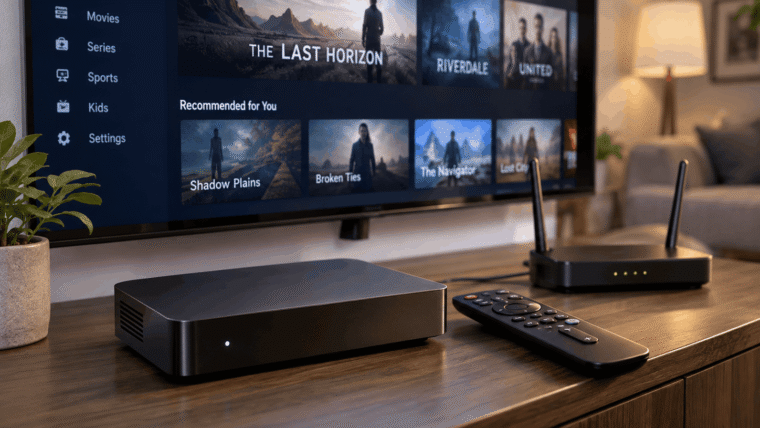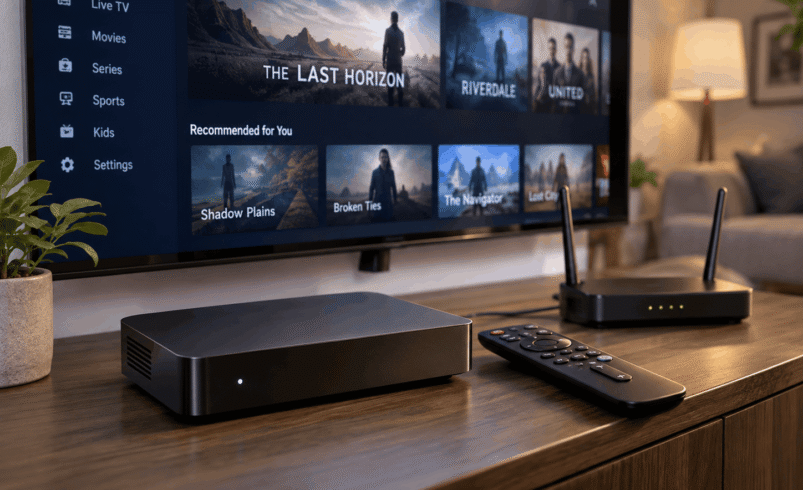

Internet Protocol Television, commonly known as IPTV, allows television content to be delivered through internet connections rather than relying exclusively on traditional cable, satellite, or terrestrial broadcasting. This technology gives viewers more flexibility in how they watch live channels, films, series, and other digital content. However, the legality of an IPTV service depends on more than its technology or the number of channels it offers.
For viewers in Sweden, understanding copyright rules, distribution rights, and the responsibilities of service providers is essential when choosing an internet-based television subscription. Some IPTV services operate with permission from the relevant rights holders, while others distribute protected content without authorization. Knowing the difference can help consumers make informed decisions and avoid unnecessary legal and financial risks.
What Determines Whether an IPTV Service Is Legal?
IPTV is a method of delivering television, not a guarantee that the content is legally distributed. A service can use modern streaming technology and still infringe copyright if it provides films, sports broadcasts, or television channels without the necessary permissions.
Legal services generally obtain the appropriate rights or agreements to distribute the content they offer. These arrangements may cover specific channels, programmes, territories, devices, and subscription periods. A provider must ensure that its distribution activities comply with the applicable copyright and broadcasting rules.
For Swedish consumers, broadcast licensing is an important concept to understand when examining how television content reaches viewers. However, licensing requirements depend on the type of distribution and the applicable rules. A broadcaster’s permission to transmit a programme and an IPTV provider’s right to redistribute that programme are not necessarily the same thing.
Sweden’s Media Authority explains that cable television and IPTV distribution do not generally require the same broadcasting permit as terrestrial television, although certain types of transmissions must be registered. This administrative distinction does not remove the requirement to respect copyright and the rights of television broadcasters.
Understanding Copyright and Content Distribution Rights
Copyright protects creative works such as films, television programmes, music, and other original material. Television broadcasters may also hold related rights in their transmissions. These protections determine how content can be copied, distributed, retransmitted, and made available to the public.
An IPTV provider therefore needs appropriate authorization for the content it distributes. Depending on the service, this may involve agreements with broadcasters, production companies, distributors, sports rights holders, or other authorized parties.
For example, a company may have permission to stream a particular sports competition in one country but not in another. A separate agreement may be required to offer the same event through a different distribution method. These restrictions explain why legitimate services sometimes have different channel lineups and content libraries in different markets.
Swedish court decisions have also demonstrated the seriousness of unauthorized IPTV distribution. In May 2026, the Patent and Market Court of Appeal upheld a conviction involving the unauthorized distribution of films and retransmission of protected television broadcasts.
The key point for consumers is that a service’s technical ability to stream content does not establish that it has permission to distribute it.
How Swedish Viewers Can Recognize Warning Signs
It is not always easy to determine whether an IPTV provider operates legally. Professional-looking websites, working applications, and customer support do not independently prove that a service has the necessary distribution rights.
Nevertheless, several warning signs deserve attention when evaluating an unfamiliar provider.
- Unusually low prices: A subscription offering an exceptionally large range of premium sports, films, and international channels for a very small fee may warrant further investigation.
- Unclear company information: A provider that does not identify its operating business, contact details, or terms of service can be difficult to verify.
- Unexplained channel access: Be cautious when a service claims to offer premium channels or exclusive sporting events without explaining its authorization or distribution arrangements.
- Unreliable payment practices: Requests for unusual payment methods, unexplained additional charges, or payments to unrelated individuals may indicate financial risk.
- No clear refund policy: Missing cancellation terms and customer support information can make disputes more difficult to resolve.
No single warning sign proves that a service is illegal. Instead, viewers should consider the overall evidence and seek verifiable information about the business and its content rights.
Are Viewers Responsible for Using Unauthorized IPTV?
The legal position for individual viewers requires particular care. In Sweden, supplying IPTV without permission from the relevant rights holders is unlawful. The position concerning private individuals who receive unauthorized IPTV has been more complex and has depended on the circumstances and applicable law.
The Swedish Patent and Registration Office explains that European Union case law has affected how temporary copies created during streaming from unlawful sources may be assessed. It also notes that the application of this reasoning to every form of illegal streaming has not been fully clarified by Swedish court decisions.
Sweden has also considered legislative changes intended to clarify the rules concerning private use of illegal IPTV. The 2025 government inquiry proposed changes to address this issue, but a proposal should not be treated as enacted legislation without confirmation of its legal status. Viewers should consult current official legal information if they need to understand the rules that apply to a specific situation.
The practical approach is to avoid services that distribute copyrighted content without authorization rather than assuming that a paid subscription automatically makes the activity lawful.
Privacy, Security, and Consumer Protection
Legal considerations are not the only reason to examine an IPTV provider carefully. Unverified applications and services can also expose users to security, privacy, and financial problems.
Some unfamiliar services request extensive device permissions, collect unnecessary personal information, or rely on poorly documented applications. Others may provide little protection for payment details or account credentials.
Before subscribing, consumers should review the provider’s privacy policy, payment process, cancellation conditions, and account-security options. Downloading applications from trusted sources and keeping devices updated can also reduce avoidable security risks.
It is sensible to use unique passwords and avoid sharing account details with unknown sellers. Consumers should also check whether a provider explains how it handles personal information and responds to customer complaints.
How to Choose an IPTV Service With Greater Confidence
A careful evaluation can help Swedish viewers make more informed decisions when comparing internet television services.
First, identify the company operating the service and look for clear contact information, subscription conditions, and customer support. Next, investigate whether the provider explains its rights to distribute the channels and content it advertises. Where necessary, confirm relevant information through the broadcaster or rights holder.
Consumers should also examine the subscription’s practical features, including supported devices, streaming quality, application availability, and cancellation terms. A service that explains its offering clearly is easier to evaluate than one that relies on vague claims or guarantees that cannot be verified.
Finally, remember that legitimate IPTV services may differ in price and content availability because rights agreements, distribution costs, and regional restrictions vary. Comparing services on the basis of transparent terms and verifiable authorization is more useful than judging them solely by the number of channels included.
Conclusion
IPTV offers Swedish viewers a flexible way to access television through internet connections, but the technology itself does not determine whether a service is lawful. The decisive issue is whether the provider has the necessary rights to distribute the content it offers and complies with the applicable rules.
By understanding copyright, checking provider information, recognizing warning signs, and reviewing official guidance, consumers can make more informed subscription decisions. A little research before paying for an IPTV service can help reduce legal uncertainty, protect personal information, and support a more reliable television experience.