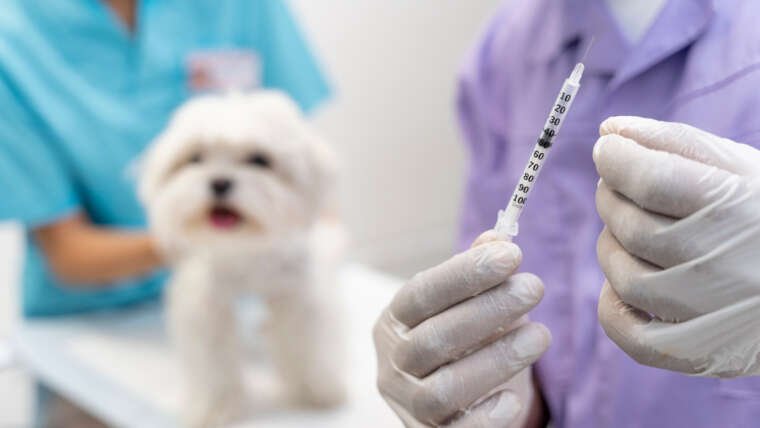


Bringing home a puppy comes with plenty of excitement, but vaccinations should be one of the first things on your checklist. Puppies have developing immune systems, so timely vaccines help protect them from several serious and potentially preventable diseases. A puppy vaccination plan can also be adjusted by your veterinarian based on your puppy’s age, health, lifestyle, and risk of exposure.
Why Do Puppies Need Vaccinations?
Puppies receive some early protection from their mother’s antibodies, but this protection decreases as they grow. Vaccinations help the immune system build its own protection against specific infections.
Because maternal antibodies can interfere with early vaccines, puppies usually receive a series of vaccinations rather than a single shot. Your veterinarian will recommend a schedule that fits your puppy’s needs.
Keeping vaccinations up to date is also important before your puppy begins interacting widely with other dogs or visiting places where many animals gather.
What Core Vaccines Does a Puppy Need?
Core vaccines are generally recommended because they protect against serious diseases that can affect dogs regardless of lifestyle.
A common puppy vaccination series protects against diseases such as:
- Canine distemper
- Canine parvovirus
- Canine adenovirus
These are often included in combination vaccines, sometimes referred to as DAPP or DHPP vaccines.
The exact vaccine products and schedule can vary, so your veterinarian will determine which combination is appropriate for your puppy.
Does My Puppy Need a Rabies Vaccine?
Rabies is a serious viral disease that can affect mammals, including dogs and people. Vaccination requirements can vary by province and local regulations, so Canadian pet owners should follow the guidance applicable to their location.
Your veterinarian can explain when your puppy should receive its rabies vaccine and whether any additional requirements apply.
Even puppies that spend most of their time indoors can potentially be exposed to wildlife or other animals, making rabies prevention an important consideration.
Are There Other Vaccines Puppies May Need?
Not every puppy needs the same non-core vaccines. Additional protection may be recommended depending on your puppy’s lifestyle, travel plans, environment, and exposure to other dogs.
For example, a puppy that regularly visits boarding facilities, dog parks, daycare, or other areas where dogs gather may have different vaccination needs than a puppy with limited exposure.
Your veterinarian can assess these risks and recommend additional vaccines when appropriate.
How Many Vaccinations Does a Puppy Need?
Puppies generally receive several vaccine doses during their first months of life. The reason for multiple doses is that maternal antibodies can affect how well a young puppy responds to a vaccine.
Your veterinarian will create a vaccination schedule based on your puppy’s age and previous vaccination history. It is important to bring any vaccination records you received from the breeder, shelter, or previous owner.
Missing a scheduled appointment can affect the timing of the series, so contact your veterinary team if you need to reschedule.
When Can a Puppy Go Outside After Vaccinations?
Puppies need socialization and exercise, but they should be protected appropriately before being exposed to areas with higher infection risks.
Your veterinarian can advise you about when it is safe for your puppy to visit dog parks, attend puppy classes, interact with unfamiliar dogs, and explore public areas.
Until your puppy’s vaccination plan is complete, follow your veterinarian’s advice about reducing exposure to potentially contaminated environments.
Keep Your Puppy’s Vaccinations Up to Date
Vaccinations are an important part of preventative care during your puppy’s first year and beyond. A proper schedule helps build protection while your puppy grows and becomes more active.
If you are unsure which vaccines your puppy needs or when they are due, speak with your veterinarian. They can review your puppy’s age, health, vaccination history, and lifestyle to create an appropriate plan.
Short Summary:
Learn which vaccinations puppies commonly need in Canada, when they receive them, why multiple doses are necessary, and how your puppy’s lifestyle can affect its vaccination schedule.
FAQs
1. What vaccines does a puppy need in Canada?
Puppies commonly receive vaccines protecting against serious diseases such as distemper, parvovirus, and adenovirus. Rabies vaccination is also an important consideration, with requirements varying by location.
2. How many vaccines does a puppy need?
Puppies generally receive a series of vaccinations during their first months. The exact number and timing depend on age, previous vaccinations, health, and veterinary recommendations.
3. When should a puppy get its first vaccinations?
Puppies typically begin their vaccination series when they are young, followed by additional doses at scheduled intervals. Your veterinarian can establish the appropriate schedule.
4. Does an indoor puppy need vaccinations?
Yes. Indoor puppies can still be exposed to infectious diseases, so vaccination remains an important part of preventative healthcare.
5. Can my puppy go outside before finishing all vaccinations?
Your puppy can usually have carefully managed exposure, but high-risk areas should be avoided until your veterinarian says it is safe. Ask your vet about appropriate socialization and outdoor activities.