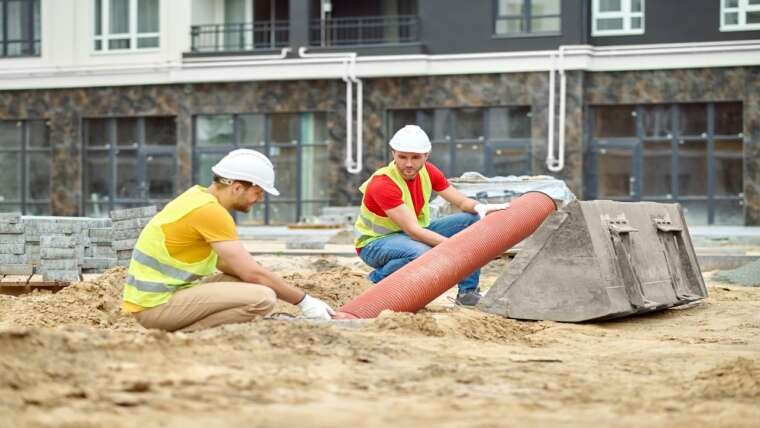


As communities grow, wastewater infrastructure must grow with them. New homes, businesses, schools, industrial facilities, and public buildings all contribute additional wastewater to local sewer systems. If the existing network does not have enough capacity to handle this increase, communities can face backups, overflows, service disruptions, environmental concerns, and expensive emergency improvements.
This is why sewer capacity planning is an important part of responsible community development. By evaluating current sewer systems and anticipating future demand, communities can identify potential limitations before they become major problems. Proactive planning allows utilities and local governments to coordinate development with infrastructure investments and build wastewater systems that can serve residents reliably for years to come.
Understanding Sewer Capacity Planning
Sewer capacity planning is the process of evaluating whether a wastewater collection system can accommodate current and projected flows.
The process can include analyzing sewer pipes, manholes, lift stations, treatment facilities, pump stations, and other components of the wastewater system. Engineers may examine existing flows, population projections, land-use changes, development plans, and system conditions to estimate future requirements.
The objective is to determine where capacity is sufficient, where improvements may eventually be needed, and how infrastructure investments should be prioritized.
Why Community Growth Affects Sewer Systems
Population growth generally leads to increased wastewater generation.
When new residential neighborhoods are developed, each household contributes wastewater to the collection system. Commercial and institutional developments can create additional demand, while certain industrial facilities may produce significantly different flow characteristics.
If growth occurs faster than infrastructure improvements, existing sewer systems can become overloaded.
Capacity planning helps communities anticipate these changes instead of waiting until the system reaches its limits.
Identifying Existing Capacity Limitations
A sewer system may appear to function normally under everyday conditions while still having hidden capacity problems.
Certain pipes may already operate close to their maximum capacity. Lift stations may have limited pumping capabilities, or downstream facilities may be unable to accommodate additional flows.
Capacity studies can identify these constraints.
Engineers can use flow monitoring, infrastructure records, hydraulic modeling, and field observations to understand how wastewater moves through the system.
Identifying bottlenecks early gives communities more time to plan improvements.
Supporting Future Development
Developing communities need infrastructure that can keep pace with growth.
Before approving major new developments, communities can evaluate whether existing wastewater infrastructure can support the additional demand.
Sewer capacity planning provides useful information for these decisions.
If sufficient capacity exists, development can proceed with greater confidence. If limitations are identified, the community can determine what improvements may be necessary and how those improvements should be coordinated with development.
This approach can prevent new growth from placing unexpected pressure on existing infrastructure.
Using Wastewater Flow Modeling
Hydraulic modeling can be a valuable tool for sewer capacity planning.
A wastewater model can represent pipes, manholes, lift stations, flow characteristics, and other components of a collection system.
Engineers can use models to simulate current conditions and future scenarios.
For example, a model can help determine how the system might perform after several new subdivisions are constructed or if population growth occurs in a particular area.
Modeling also allows potential improvements to be tested before construction, helping communities compare alternatives and select more effective solutions.
Reducing the Risk of Sewer Overflows
Overloaded sewer systems can contribute to sanitary sewer overflows, backups, and other service problems.
These events can damage property, disrupt neighborhoods, create environmental concerns, and require costly emergency responses.
Capacity planning helps communities identify locations where sewer flows may exceed system capabilities.
Once these areas are identified, utilities can evaluate options such as upsizing pipelines, improving pump stations, reducing inflow and infiltration, or expanding treatment capacity.
Taking action before serious failures occur can reduce risks and protect public health and the environment.
Addressing Inflow and Infiltration
Not all water entering a sewer system comes from homes and businesses.
Rainwater and groundwater can enter sanitary sewer systems through damaged pipes, leaking joints, improperly connected storm drains, defective manholes, or other pathways. This unwanted water is known as inflow and infiltration, or I&I.
During wet weather, excessive I&I can dramatically increase wastewater flows.
Capacity planning can help utilities identify areas where unusually high flows may indicate I&I problems.
Addressing these sources can free up existing sewer capacity without immediately requiring major infrastructure expansion.
Planning Lift Station Improvements
Lift stations are critical components of many wastewater collection systems. They move wastewater from lower elevations to higher points in the network.
As communities develop, lift stations may need additional pumping capacity or equipment upgrades.
A capacity plan can evaluate current and projected flows to determine whether existing stations can meet future requirements.
Planning upgrades before a lift station reaches its limits can help maintain reliable service and reduce the risk of emergency failures.
Coordinating With Treatment Capacity
Collection system capacity is only one part of wastewater management.
Wastewater treatment facilities must also have enough capacity to process incoming flows while meeting regulatory requirements.
A community may have sufficient sewer pipe capacity but still face limitations at its treatment plant.
Sewer capacity planning can therefore be coordinated with treatment facility planning to ensure that the entire wastewater system can support future development.
This system-wide perspective helps avoid solving one capacity problem while creating another.
Supporting Cost-Effective Infrastructure Investment
Wastewater infrastructure can require significant capital investment. Communities need to determine which improvements are necessary and when they should be constructed.
Sewer capacity planning helps establish priorities.
Rather than expanding every part of the system immediately, communities can identify the most critical bottlenecks and schedule improvements based on projected demand.
Some improvements may be needed in the short term, while others can be phased over many years.
This approach can help communities align infrastructure spending with actual growth and available funding.
Protecting the Environment
Reliable wastewater collection and treatment systems play an important role in protecting local waterways.
Sewer failures, overflows, and inadequate treatment can introduce pollutants into rivers, streams, lakes, and other natural resources.
Capacity planning helps reduce the likelihood of these problems by ensuring that infrastructure is prepared for future flows.
Protecting wastewater systems can therefore support both community health and environmental quality.
Improving Long-Term Resilience
Developing communities face more than population growth. Aging infrastructure, extreme weather, changing land use, and other factors can affect wastewater system performance.
A forward-looking sewer capacity plan can consider these changing conditions.
For example, utilities can evaluate how heavy rainfall and increased inflow and infiltration might affect flows. They can also identify critical infrastructure that may require additional protection or redundancy.
Planning for a range of conditions can make wastewater systems more resilient over time.
Creating a Roadmap for Future Growth
Sewer capacity planning gives communities a clearer understanding of how their wastewater infrastructure can support future development.
It connects population forecasts, land-use plans, infrastructure conditions, hydraulic performance, and capital investment needs.
This information can help local governments and utilities make more informed decisions about development approvals, infrastructure projects, maintenance programs, and long-term budgets.
Instead of reacting to capacity problems after they occur, communities can prepare for them in advance.
Preparing Wastewater Systems for Tomorrow
Growth can bring new opportunities, but it also creates infrastructure responsibilities. Without adequate wastewater capacity, development can place pressure on systems that were never designed to serve a larger population.
Sewer capacity planning provides a proactive solution.
By evaluating existing conditions, forecasting future flows, identifying bottlenecks, addressing inflow and infiltration, modeling potential improvements, and coordinating collection systems with treatment facilities, communities can better prepare for future demand.
The result is more than additional sewer capacity. Effective planning can support reliable service, protect the environment, reduce emergency costs, and give communities greater confidence as they grow.
For developing communities, investing in sewer capacity planning today can help ensure that wastewater infrastructure remains dependable, efficient, and capable of supporting residents and businesses well into the future.