
Uneven tyre wear is a common vehicle maintenance issue that can develop gradually without attracting much attention. Many motorists focus on the overall tread depth when deciding whether a replacement is necessary, but the distribution of wear across the tyre is equally important. A tyre may appear to have sufficient tread in one area while another section has deteriorated significantly. This can indicate problems involving inflation, wheel alignment, suspension or driving habits. Understanding these patterns helps drivers identify mechanical concerns before they become more expensive. When a tyre requires replacement, Mobile Tyre Fitting Bolton is one option motorists can consider when arranging professional assistance.
What Uneven Tyre Wear Actually Means
Uneven wear occurs when different areas of a tyre lose tread at different rates.
Under normal conditions, a correctly maintained tyre should wear relatively consistently across its tread surface, although the exact pattern depends on the vehicle and tyre design.
When one section deteriorates faster than another, it may indicate that the tyre is not operating under suitable conditions.
The problem should not automatically be attributed to the tyre itself. In many cases, another vehicle component or maintenance issue is responsible.
Common Types of Uneven Tyre Wear
Understanding the different wear patterns can help motorists explain problems during an inspection.
Excessive Wear Along Both Shoulders
When the outer edges of a tyre wear more quickly than the centre, underinflation may be one possible cause.
An underinflated tyre can deform excessively, changing the way pressure is distributed across the tread.
However, other factors may also contribute, so the pattern should be professionally assessed.
Excessive Wear in the Centre
Central tread wear may be associated with excessive inflation pressure.
When pressure is higher than recommended, the tyre may carry a greater proportion of the load around the central tread area.
Drivers should compare pressure readings with the vehicle manufacturer’s specifications.
Wear Along One Shoulder
Excessive wear along the inner or outer shoulder may indicate incorrect wheel alignment.
The wheel could be positioned at an unsuitable angle, causing the tyre to make uneven contact with the road.
Suspension problems may also contribute.
Cupping or Scalloped Wear
Cupping appears as a series of irregular dips or worn patches around the tread.
It may be associated with wheel imbalance, worn suspension components or other mechanical issues.
The cause should be investigated because replacing the tyre without addressing the underlying problem may lead to similar deterioration.
How Wheel Alignment Influences Tyre Life
Wheel alignment refers to the angles at which the wheels are positioned relative to the vehicle and road.
The main alignment measurements commonly include camber, caster and toe.
Camber
Camber describes the inward or outward tilt of a wheel when viewed from the front of the vehicle.
Incorrect camber can contribute to excessive wear along one side of the tread.
Toe
Toe describes whether the front edges of the wheels point towards or away from each other.
Incorrect toe settings can cause tyres to scrub against the road surface, accelerating wear.
Caster
Caster refers to the steering axis angle when viewed from the side.
It influences steering stability and self-centring characteristics.
Alignment measurements should be adjusted according to the vehicle manufacturer’s specifications.
The Relationship Between Suspension and Tyre Wear
Suspension components help maintain contact between tyres and the road.
Worn shock absorbers, damaged bushes, ball joints and other components can affect vehicle stability and wheel movement.
If the suspension cannot control wheel movement effectively, the tyre may experience irregular contact with the road.
Drivers may notice additional symptoms such as unusual noises, unstable handling or excessive bouncing.
A professional inspection can help identify whether suspension repairs are required.
How Driving Behaviour Contributes to Uneven Wear
Vehicle maintenance is not the only influence on tyre deterioration.
Driving habits also affect how quickly tyres wear.
Aggressive cornering places additional forces on the tread and sidewalls.
Frequent hard braking can increase wear, while rapid acceleration may place additional stress on driven wheels.
Repeatedly striking kerbs or driving through potholes can also affect alignment and wheel condition.
A smoother driving style can help reduce unnecessary stress.
Why Early Inspection Is More Economical
Uneven wear can shorten the usable lifespan of a tyre.
If the problem is identified early, correcting the underlying cause may help prevent additional deterioration.
For example, correcting alignment can reduce further uneven wear when alignment is responsible.
However, once the tyre has suffered excessive tread loss or structural damage, adjustment alone cannot restore its condition.
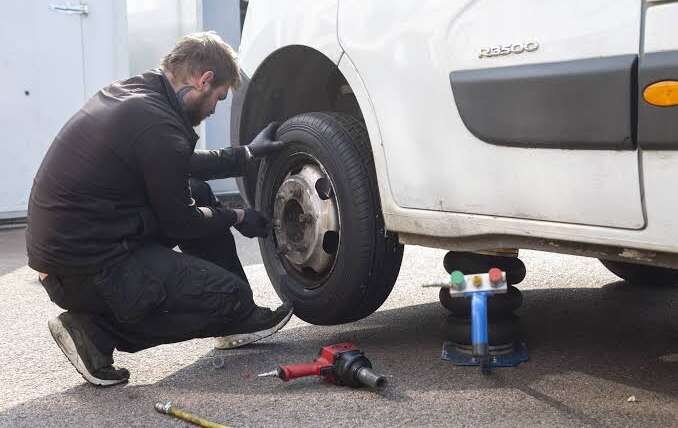
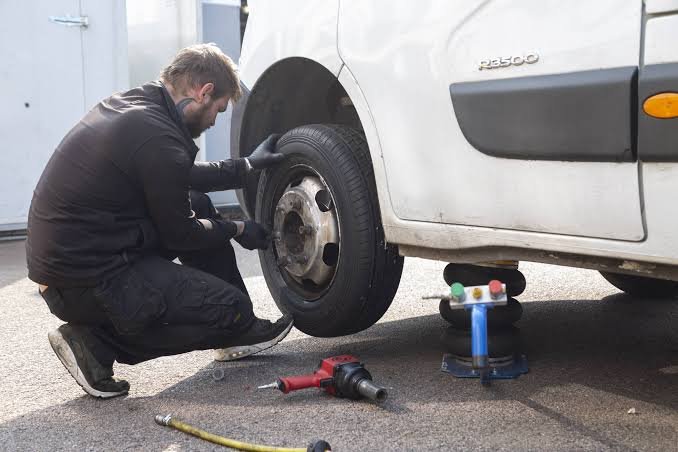
For motorists who need replacement after an inspection, Mobile Tyre Fitting in Bolton may provide a practical way to arrange professional installation without making a separate journey to a fitting centre.
Checking Tyres at Home
Drivers can perform simple visual inspections without specialist equipment.
Park the vehicle on level ground and examine the visible tread surface.
Look for differences between the inner, central and outer sections.
Check the sidewalls for cuts, cracks and bulges.
Use a suitable tread depth gauge to measure the remaining tread at several points.
If unusual wear is visible, arrange a professional assessment.
A visual inspection cannot always identify the underlying mechanical cause, but it can help motorists recognise when further investigation is necessary.
Understanding When Replacement Becomes Urgent
Uneven wear does not always mean immediate replacement is required. However, certain conditions create a serious safety concern.
Examples include tread below the legal minimum, exposed structural materials, significant sidewall damage and severe deformation.
Drivers should not continue using a tyre that has become structurally unsafe.
If a tyre fails unexpectedly while travelling, stop somewhere safe and arrange assistance.
Where urgent replacement is necessary, Emergency Mobile Tyre Fitting in Bolton may be relevant for motorists who need professional support at an accessible location.
The technician should also be informed about any previous alignment or suspension problems.
How Tyre Rotation Can Help
Tyre rotation involves changing the positions of tyres according to an appropriate pattern.
The objective is to promote more even wear where the vehicle and tyre configuration allow it.
However, rotation is not suitable for every vehicle.
Directional tyres, staggered wheel setups and manufacturer-specific requirements can restrict the available patterns.
Drivers should consult their vehicle handbook or a qualified technician before arranging rotation.
Creating a Long-Term Tyre Inspection Routine
A simple inspection routine can help identify problems before they become severe.
Drivers should check pressure regularly and inspect the tread across its width.
They should also pay attention to unusual steering behaviour and vibrations.
After hitting a significant pothole or kerb, a professional inspection may be sensible if the vehicle’s handling changes or visible damage appears.
Keeping maintenance records can help identify recurring problems and establish when alignment or suspension work was completed.
Frequently Asked Questions
Can uneven tyre wear be corrected?
The underlying cause may be corrected through suitable pressure adjustments, wheel alignment or suspension repairs. However, already worn tread cannot be restored.
Does incorrect alignment damage tyres?
Yes. Incorrect alignment can cause excessive and uneven tread wear, reducing the tyre’s expected lifespan.
How can I identify underinflated tyre wear?
Underinflation may contribute to greater wear along the outer shoulder areas, although a professional assessment is needed to confirm the cause.
Is tyre rotation always necessary?
No. Rotation depends on vehicle design, tyre configuration and manufacturer recommendations.
Should tyres be replaced immediately after uneven wear appears?
Not always. The tyre should be assessed for tread depth, structural condition and safety before deciding whether replacement is required.
Conclusion
Uneven tyre wear is often a warning that something in the vehicle’s maintenance or operating conditions needs attention. Recognising the different wear patterns helps motorists identify possible problems involving pressure, alignment and suspension.
Regular inspections and timely mechanical assessments can help prevent unnecessary tyre replacement and maintain predictable vehicle handling. Addressing the underlying cause is just as important as fitting a suitable replacement.