
A well-furnished office should make everyday work easier, not create additional problems. Office furniture has a direct role in how employees use their workspace, interact with colleagues, organize documents, and complete routine responsibilities. Before buying desks, chairs, cabinets, or meeting tables, businesses should understand how the office will be used throughout the day. Consider the number of employees, departments, working patterns, equipment, storage needs, visitor traffic, and available floor space. A clear plan helps prevent overcrowding and makes it easier to create dedicated areas for focused work, collaboration, meetings, and reception activities. Businesses in Manila and Quezon City can also consider the character of their commercial space, as office layouts may vary considerably between compact urban offices, larger corporate premises, and shared work environments. The right approach is to create a furniture plan that supports business operations while leaving enough room for comfortable movement.
Give Every Area a Specific Purpose
An effective office usually contains several different zones, and each area should have a clear function. Individual work areas are designed for concentration and routine tasks, while meeting spaces support communication and decision-making. Reception areas welcome visitors, storage zones organize supplies, and breakout spaces can give employees somewhere to have informal discussions. Furniture can help establish these areas without making the workplace feel closed or restrictive. For example, workstation arrangements can separate departments, while low storage units can define boundaries without blocking natural light. Meeting tables can establish collaborative spaces, and comfortable lounge seating can create informal areas for short conversations. Assigning a purpose to each part of the office makes furniture selection easier and prevents the space from becoming a collection of unrelated items.
Choose Workstations Based on Daily Activities
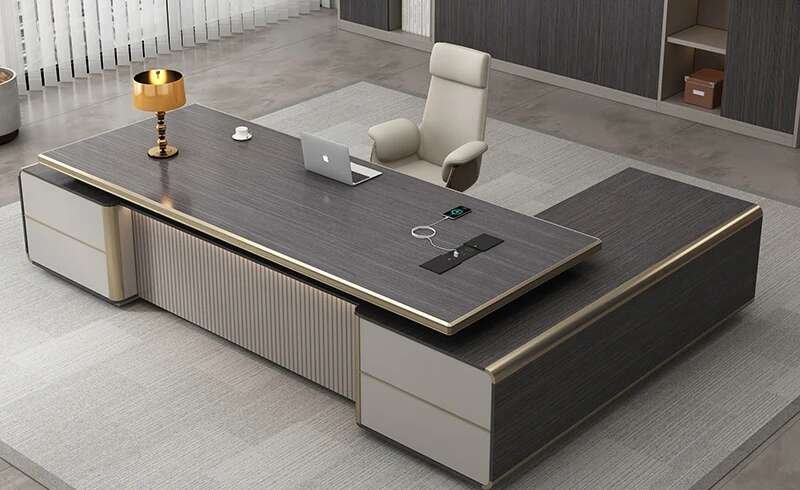
Workstations should match the tasks employees perform rather than being selected solely according to their appearance. Employees using desktop computers may need larger surfaces than those working mainly with laptops. Staff who handle paperwork may benefit from additional drawers or nearby storage. Teams that communicate frequently can use clustered workstations that encourage interaction, while employees handling confidential information may need greater separation. L-shaped desks can provide additional surface space without requiring a completely separate table. Bench-style systems can be useful where several employees need to work within the same department. The workstation frame and surface should also be sturdy enough for regular use. Considering these details before purchasing can help businesses create comfortable work areas that support different responsibilities.
Make Employee Comfort Part of the Design
Comfort should not be treated as a secondary feature when furnishing an office. Employees often spend much of their working day at desks, so chairs and workstations should be selected with everyday use in mind. Adjustable office chairs can accommodate different heights and preferences, while supportive backrests can provide a more comfortable seating experience. Desk height should work appropriately with the chair so employees can position their keyboard and monitor without unnecessary strain. There should also be enough space under the desk for natural leg movement. Small details such as seat adjustment, armrest positioning, desk depth, and monitor placement can influence how comfortable a workstation feels over several hours. A workplace that pays attention to these factors can provide a better environment for employees.
Use Storage to Keep Workspaces Clear
A clean desk can help employees locate important items quickly and maintain an organized working environment. However, achieving this requires sufficient storage throughout the office. Filing cabinets can store important documents, cupboards can hold shared supplies, and shelving can provide accessible storage for frequently used materials. Mobile pedestals can be placed beside desks so employees can keep personal or work-related items nearby. Lockable cabinets can provide additional protection for confidential files. Businesses should also consider the amount of storage needed by each department instead of using a single solution for the entire office. A company handling large volumes of paperwork will have different requirements from a mostly digital business. Proper storage planning can reduce clutter and make better use of available space.
Select a Reception Desk That Fits the Space
The reception desk is one of the most visible furniture pieces in an office. It should create a professional first impression while giving reception staff enough space to perform their responsibilities. The counter should accommodate essential equipment such as computers, telephones, documents, and office supplies. Its size should be proportional to the reception area so that visitors can move easily around it. Storage incorporated into the desk can help keep frequently used materials organized. The surrounding waiting area should also be considered when selecting the counter because chairs and tables need enough space without creating congestion. A coordinated reception area can communicate professionalism while providing a practical working environment for front-desk staff.
Design Meeting Areas for Better Communication
Meetings can involve everything from short team discussions to formal client presentations, so the furniture should support different types of communication. A conference table needs sufficient surface space for laptops, documents, presentation materials, and other equipment. The shape of the table can also influence communication. Round tables can work well for informal discussions, while rectangular conference tables may suit formal meetings with larger groups. Chairs should provide adequate comfort, particularly when meetings are expected to last for extended periods. Businesses should also leave enough room between the table and surrounding walls so participants can move freely. Technology requirements such as power access, display screens, cameras, and cable management should be incorporated into the planning process.
Think Carefully About Office Lighting
Furniture placement can influence how natural and artificial light moves through the workplace. Large cabinets or tall partitions should not unnecessarily block windows or create dark corners. Desks should ideally be positioned to minimize distracting reflections on computer screens. Meeting tables and reception counters should also have suitable lighting for their intended activities. Lighter furniture finishes can sometimes help create a brighter visual environment, while darker finishes may provide a more formal appearance. The relationship between furniture, windows, lighting fixtures, and screens should therefore be considered when planning the office. A furniture arrangement that works well visually but creates glare or poor lighting conditions may not be effective in practice.
Select Materials for Long-Term Use
Furniture materials influence durability, appearance, maintenance, and overall value. Busy workplaces need products capable of handling regular daily use. Desk surfaces should resist everyday wear, while chair frames and mechanisms should remain reliable with repeated adjustment. Cabinet doors, drawers, hinges, and handles should also be sturdy because they may be used many times throughout the day. Laminate surfaces can provide practical maintenance, while engineered wood offers flexibility in design and finish. Metal components can add structural strength, and glass can provide a lighter contemporary appearance when used appropriately. The right material depends on the purpose of the furniture, the level of use, cleaning requirements, and desired appearance.
Create a Consistent Visual Environment
An office can look more professional when furniture styles complement each other. This does not require every product to have exactly the same design. Instead, businesses can coordinate colors, finishes, materials, and shapes across different areas. For example, workstation finishes can complement reception furniture, while meeting tables can use similar materials to executive desks. A consistent approach creates visual continuity and makes the workplace feel intentionally designed. Branding can be incorporated through selected colors, wall graphics, signage, or furniture accents without making the environment feel excessive. The objective should be a professional setting that reflects the company’s identity while remaining comfortable for employees and visitors.
Consider Flexible and Modular Solutions
Business needs can change quickly, especially when companies add employees, reorganize departments, or introduce new working arrangements. Flexible furniture can make these changes easier to manage. Modular workstations can be expanded or rearranged, movable partitions can alter the division of space, and mobile storage can be relocated when departments change. Multi-purpose tables can serve meetings, training sessions, workshops, or collaborative activities. Businesses should also avoid filling every part of the office with permanent furniture. Leaving some flexibility can make future changes easier and reduce the need for major renovations. This approach is especially useful for growing businesses that expect their workplace requirements to evolve.
Balance Quality With the Available Budget
Every business has a different furniture budget, but cost should be evaluated alongside quality and long-term performance. A low purchase price may not represent good value if the product requires frequent repairs or replacement. Businesses should compare construction, materials, warranty terms, maintenance requirements, functionality, and expected lifespan. It can also be helpful to prioritize essential furniture first. Employee workstations, ergonomic chairs, storage, reception furniture, and meeting tables usually have greater operational importance than decorative pieces. Once these essentials are covered, businesses can allocate remaining funds to specialized or aesthetic additions. This approach helps create a functional workplace without making unnecessary compromises.
Prepare the Office for Future Growth
Furniture planning should consider what the business may need several years from now. A company that expects to expand may require additional desks, storage, meeting areas, or private offices. Choosing adaptable furniture can make expansion easier because new pieces can be integrated into an existing layout. Businesses should also consider whether furniture can be relocated if they move to a larger premises. Modular systems and mobile components often provide greater flexibility than highly fixed arrangements. Planning ahead can reduce disruption and help businesses avoid replacing otherwise useful furniture simply because the original layout cannot accommodate growth.
Focus on a Better Everyday Experience
The purpose of workplace furniture is ultimately to support the people who use the office. Office Furniture should help employees remain comfortable, organized, productive, and connected throughout the working day. It should also provide visitors with a professional and welcoming experience. A successful office combines suitable workstations, supportive seating, practical storage, effective meeting areas, and an organized reception space. These elements should work together rather than being selected independently. When businesses take the time to understand their actual requirements, they can create an environment that feels balanced and purposeful. Good furniture planning can improve the use of available space while creating a workplace that is easier to maintain and adapt.
Make Practical Choices for Long-Term Results
Furnishing an office is an opportunity to improve both functionality and the overall working experience. Office furniture express should be chosen according to the organization’s activities, available space, employee requirements, design preferences, and future plans. Businesses should consider ergonomics, durability, storage, technology, flexibility, and maintenance before making purchasing decisions. A practical office does not need to be crowded with expensive pieces. Instead, each item should serve a clear purpose and contribute to the way the workplace operates. With thoughtful planning, companies can create offices that support focused work, productive collaboration, professional meetings, and comfortable daily routines while maintaining a polished appearance for employees, clients, and visitors.