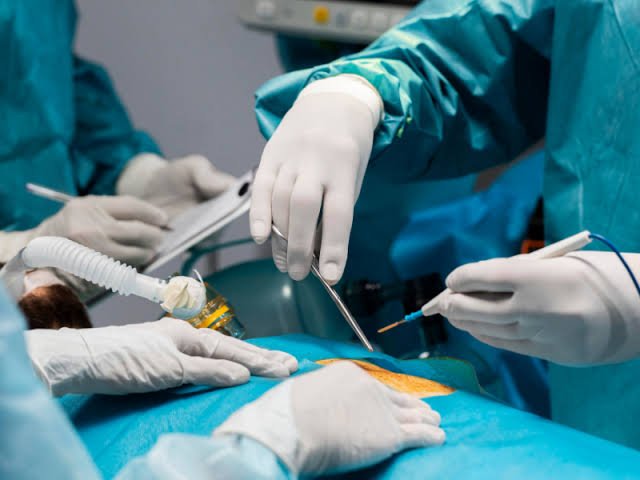

Choosing the right gynecologist is an important decision, especially when you are experiencing persistent pelvic pain, heavy periods, ovarian cysts, fibroids, endometriosis, or other conditions that may require surgical treatment. For many women, laparoscopic surgery can offer a minimally invasive option when surgery is medically necessary.
Finding the best laparoscopic gynecologist in dubai is not simply about looking for a specialist nearby. It is about understanding your condition, discussing all suitable treatment options, and choosing a doctor who takes a careful, patient-focused approach.
Laparoscopy is widely used in gynecology because it allows a doctor to examine or treat certain conditions through small abdominal incisions rather than a larger surgical opening. However, it is not appropriate for every patient or every condition. A proper consultation is essential before deciding whether laparoscopic surgery is suitable.
What Is Laparoscopic Gynecological Surgery?
Laparoscopic surgery is a minimally invasive surgical technique used to diagnose or treat certain conditions affecting the reproductive organs and pelvis. Instead of making a large abdominal incision, the surgeon generally uses a thin camera called a laparoscope and specialized instruments inserted through small openings.
The camera provides a magnified view of structures inside the abdomen and pelvis, helping the surgeon assess and, when appropriate, treat the underlying problem.
Depending on the condition, gynecological laparoscopy may be considered for procedures involving:
- Ovarian cysts
- Endometriosis
- Uterine fibroids
- Pelvic adhesions
- Certain causes of chronic pelvic pain
- Some fertility-related conditions
- Ectopic pregnancy
- Diagnostic evaluation of pelvic or reproductive conditions
The exact procedure depends on the patient’s diagnosis, symptoms, medical history, and overall health.
Why Might a Woman Need Laparoscopic Surgery?
Not every gynecological problem requires surgery. Doctors usually consider laparoscopic treatment when symptoms, examination findings, imaging, or other investigations indicate that a surgical approach may be beneficial.
Endometriosis
Endometriosis occurs when tissue similar to the lining of the uterus grows outside the uterus. It can be associated with painful periods, pelvic pain, pain during intercourse, and sometimes fertility difficulties.
In selected cases, laparoscopy may be used to identify and treat endometriosis lesions.
Ovarian Cysts
Many ovarian cysts are harmless and disappear without treatment. However, some cysts may require further assessment or surgical management because of their size, appearance, symptoms, or other clinical concerns.
When surgery is recommended, a minimally invasive approach may be considered depending on the circumstances.
Fibroids
Uterine fibroids are non-cancerous growths that develop in or around the uterus. Some women have no symptoms, while others may experience heavy menstrual bleeding, pelvic pressure, pain, or reproductive difficulties.
Treatment depends on factors such as the number, size, and location of fibroids and the woman’s symptoms and reproductive plans. In appropriate cases, minimally invasive surgery may be one of the options.
Potential Benefits of Laparoscopic Surgery
One reason laparoscopic techniques are often considered when appropriate is that they use smaller incisions than traditional open abdominal surgery.
Depending on the procedure and individual circumstances, potential advantages can include:
- Smaller surgical incisions
- Less disruption to surrounding tissues
- Reduced postoperative discomfort compared with some open procedures
- Smaller scars
- Earlier return to normal activities in some cases
However, recovery varies from person to person. The type and complexity of surgery, overall health, and individual response to treatment can all affect recovery.
It is also important to understand that minimally invasive does not mean risk-free. As with any surgical procedure, there can be risks and potential complications. A gynecologist should explain these during the consultation.
How to Choose the Best Laparoscopic Gynecologist in Dubai
The phrase “best” is highly personal when it comes to healthcare. A suitable specialist should be someone whose expertise and approach match your medical needs and who communicates clearly about your treatment options.
Before choosing a laparoscopic gynecologist, consider the following:
1. Understand the Doctor’s Area of Expertise
Gynecology covers a wide range of conditions. If you may require minimally invasive surgery, ask whether the doctor regularly evaluates and manages conditions that can involve laparoscopic treatment.
You can also ask about the type of procedure being considered and whether laparoscopic surgery is appropriate for your particular situation.
2. Ask About Your Diagnosis
Before discussing surgery, make sure you understand what is causing your symptoms or what your investigations have shown.
Ask questions such as:
- What is the likely cause of my symptoms?
- Do I actually need surgery?
- Are there non-surgical options?
- Why is laparoscopy being recommended?
- What happens if I choose to wait?
- What should I expect during recovery?
A good consultation should give you enough information to make an informed decision.
3. Consider Communication and Comfort
Gynecological concerns can be personal and sometimes difficult to discuss. Feeling comfortable asking questions is therefore important.
A doctor who listens carefully, explains medical information in understandable language, and gives you an opportunity to discuss your concerns can make the healthcare experience more reassuring.
4. Review the Treatment Plan Carefully
Before undergoing any procedure, understand what is planned, why it is recommended, and what alternatives may be available.
You should also know what preparation is required, how recovery may progress, and when you should contact your medical team after surgery.
What Happens During a Laparoscopic Consultation?
A consultation usually begins with a discussion about your symptoms, medical history, previous treatments, medications, and any relevant reproductive or surgical history.
Depending on the concern, the doctor may recommend investigations such as an ultrasound or other diagnostic tests. These findings can help determine whether further evaluation or surgery is appropriate.
The consultation is also an opportunity to discuss your expectations and future plans. For example, fertility goals can be an important consideration when evaluating some gynecological conditions.
The goal should not simply be to identify a procedure, but to understand the problem and select an appropriate treatment strategy.
Preparing for Laparoscopic Surgery
If laparoscopic surgery is recommended, your healthcare team will provide specific preparation instructions. These may include guidance regarding eating and drinking before surgery, medications, investigations, and arrangements for returning home after the procedure.
Preparation can vary depending on the type of surgery and your medical history.
It is helpful to prepare a list of questions before your appointment and tell your doctor about all medications, supplements, allergies, previous surgeries, and existing medical conditions.
Recovery After Laparoscopy
Recovery depends heavily on the procedure performed. A straightforward diagnostic laparoscopy may have a different recovery period from a more complex operation involving endometriosis, fibroids, or ovarian conditions.
Some women may experience temporary abdominal discomfort, tiredness, or bloating after surgery. Your doctor will provide individualized instructions regarding activity, medication, wound care, and follow-up.
Do not compare your recovery directly with another person’s experience. If you develop concerning symptoms after surgery, contact your healthcare provider promptly rather than trying to manage the problem yourself.
When Should You See a Gynecologist?
You should consider speaking with a gynecologist if you have symptoms such as:
- Persistent or severe pelvic pain
- Very heavy or prolonged menstrual bleeding
- Painful periods that interfere with daily life
- Unexplained bleeding between periods
- Pain during intercourse
- Recurrent ovarian cysts
- Symptoms associated with endometriosis or fibroids
- Fertility concerns
- Persistent symptoms that have not improved with initial treatment
Some symptoms can have multiple causes, so professional evaluation is important rather than assuming that a particular condition is responsible.
A Patient-Centered Approach to Women’s Health
Laparoscopic surgery is only one part of gynecological care. A woman’s overall health, symptoms, reproductive goals, medical history, and personal preferences should all be considered when developing a treatment plan.
For women seeking care in Dubai, Dr. Neha Lalla is a gynecologist who can provide professional evaluation and discuss appropriate options based on an individual patient’s concerns. The right treatment should always be determined through a proper medical consultation rather than by choosing a procedure based solely on online information.
Frequently Asked Questions
Is laparoscopic surgery safe for gynecological conditions?
Laparoscopic surgery is an established minimally invasive surgical approach, but every operation carries potential risks. Whether it is appropriate and safe depends on the patient’s condition, medical history, and the specific procedure being considered.
How long does it take to recover from laparoscopic gynecological surgery?
Recovery varies depending on the type and complexity of the procedure. Some patients may return to routine activities relatively quickly, while more extensive surgery can require additional recovery time. Your surgeon should provide personalized guidance.
Can laparoscopy treat endometriosis?
In selected cases, laparoscopy can be used to diagnose and surgically treat endometriosis. The appropriate approach depends on the location and extent of the condition and the patient’s symptoms and treatment goals.
Is laparoscopy suitable for ovarian cysts?
Not every ovarian cyst requires surgery. If surgical treatment is recommended, laparoscopy may be an option in some cases, depending on the cyst’s characteristics, symptoms, and the patient’s overall clinical situation.
How should I choose a laparoscopic gynecologist in Dubai?
Look for a qualified gynecologist with relevant experience in the condition being evaluated, clear communication, and an approach that considers your individual needs. During consultation, ask about your diagnosis, treatment alternatives, expected benefits and risks, and recovery.
Conclusion
Choosing the best laparoscopic gynecologist in Dubai should begin with understanding your health needs rather than simply selecting a doctor based on a title or procedure. Laparoscopic techniques can be valuable for managing selected gynecological conditions, but the decision to undergo surgery should always follow a thorough medical assessment.
For women seeking personalized gynecological care and guidance about minimally invasive treatment options, Dr. Neha Lalla can help patients understand their condition and discuss appropriate next steps based on their individual circumstances.