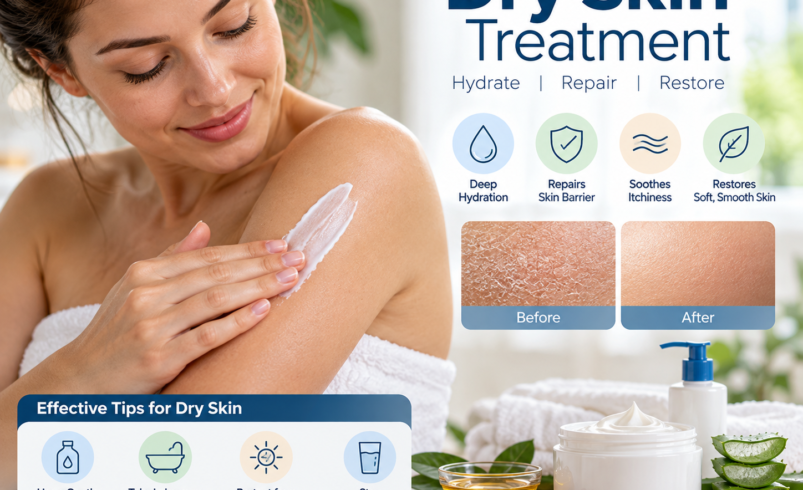

Dull skin looks tired, flat, and uneven, even when you sleep well and wear sunscreen. Makeup sits differently, and the natural glow you remember seems to have vanished.
The good news is that dullness is usually fixable. It often comes from a buildup of dead skin cells, dehydration, sun exposure, or a weak skin barrier. Choosing the best products for dull skin means treating the real cause, not just covering it up. This guide explains which products and ingredients help, how to layer them, and which habits quietly steal your glow.
Quick Answer
What are the best products for dull skin?
The best products for dull skin include a gentle cleanser, an exfoliating acid (like lactic or glycolic acid), a vitamin C serum, a niacinamide serum, a hydrating moisturizer, and daily broad-spectrum sunscreen. Together they remove dead cells, brighten tone, hydrate the skin, and prevent further damage.
What Causes Dull Skin
Definition: Dull skin is skin that lacks radiance because light is not reflecting evenly off its surface, usually due to dead cell buildup, dehydration, uneven tone, or damage.
Common causes include:
- Buildup of dead skin cells
- Dehydration and a damaged skin barrier
- Sun exposure and pollution
- Lack of sleep and high stress
- Smoking
- Skipping sunscreen or moisturizer
- Over-exfoliating or using harsh products
- Slower cell turnover with age
Finding the cause helps you choose the right product. Flaky dull skin needs gentle exfoliation. Tight dull skin needs hydration. Patchy dull skin often needs brightening and sun protection.
Best Products for Dull Skin by Type
Gentle Cleanser
A good cleanser removes dirt and oil without stripping the skin. Harsh washing leaves skin tight and lifeless. Choose a creamy or low-foam, fragrance-free formula.
Chemical Exfoliants
Chemical exfoliants dissolve the bonds holding dead cells to the surface, revealing fresher skin.
- Lactic acid: A mild AHA that exfoliates and hydrates. Good for dry and sensitive skin.
- Glycolic acid: A stronger AHA that smooths texture and boosts radiance.
- Mandelic acid: A larger, gentler AHA suited to sensitive skin.
- Salicylic acid (BHA): Clears oil and clogged pores in oily skin.
- PHAs (gluconolactone): The gentlest option for reactive skin.
Vitamin C Serum
Vitamin C is an antioxidant that brightens skin, fades the look of dark spots, and protects against daily environmental stress. Use it in the morning under sunscreen.
Niacinamide Serum
Niacinamide improves the look of uneven tone, refines pores, and strengthens the barrier. It is gentle and works for most skin types.
Hydrating Serum
Hyaluronic acid and glycerin plump the skin with water. Hydrated skin reflects light better and looks smoother.
Retinol or Retinal
Retinoids speed up cell turnover and improve texture and tone over time. They work well at night but need a slow start.
Moisturizer
A barrier-supporting moisturizer with ceramides and glycerin keeps all the other products working well. Dry, dehydrated skin always looks dull.
Sunscreen
Sunscreen is the most important brightening product. UV exposure causes dark spots, uneven tone, and loss of glow. Use broad-spectrum SPF 30 or higher every day.
Brightening Masks and Gentle Scrubs
Occasional clay, enzyme, or hydrating masks give a quick glow. Avoid rough scrubs, which can cause tiny tears and irritation.
Key Ingredients to Look For
Quick answer: For dull skin, look for vitamin C, niacinamide, AHAs, hyaluronic acid, ceramides, and retinol. They brighten, exfoliate, hydrate, and repair the barrier.
- Vitamin C: Brightens and protects.
- Niacinamide: Evens tone and supports the barrier.
- Lactic and glycolic acid: Remove dead cells and smooth texture.
- Hyaluronic acid: Adds water for a plumper look.
- Ceramides: Strengthen the barrier so skin holds moisture.
- Retinol: Supports renewal and smoother texture.
- Licorice root and azelaic acid: Help soften the look of uneven tone.
- Tranexamic acid: Often used for stubborn dark patches.
Products to Use With Care
- Strong scrubs with rough particles: They scratch the skin and worsen dullness.
- Daily high-strength acids: Overuse damages the barrier.
- Retinol with acids on the same night: This combination can irritate.
- Alcohol-heavy toners: They dry and dull the skin.
- Heavily fragranced products: A common cause of irritation.
- Skin-lightening or bleaching creams: Use only if prescribed by a doctor, since some contain unsafe ingredients.
How to Choose by Skin Type
- Dry skin: Lactic acid, hyaluronic acid, ceramides, and creamy moisturizers.
- Oily skin: Salicylic acid, niacinamide, and lightweight gel moisturizers.
- Combination skin: Gentle AHAs, vitamin C, and gel-creams.
- Sensitive skin: PHAs, mandelic acid, niacinamide, and fragrance-free formulas.
- Mature skin: Vitamin C, retinol, peptides, and rich moisturizers.
- Darker skin tones: Gentle brightening ingredients like niacinamide, vitamin C, and azelaic acid. Always protect against sun, since dark spots can deepen easily.
Start with one new product at a time and patch test before adding the next.
A Simple Routine for Brighter Skin
Morning
- Cleanse gently, or rinse with water.
- Apply a vitamin C serum.
- Moisturize with a hydrating cream.
- Finish with broad-spectrum SPF 30 or higher.
Evening
- Cleanse to remove sunscreen and dirt.
- Use an exfoliating acid two or three nights a week, or a retinol on alternate nights. Do not use both on the same night.
- Apply niacinamide or a hydrating serum on other nights.
- Seal everything in with a moisturizer.
Give any new routine at least four to eight weeks to show clear results.
Comparison Table
| Product | What It Does | Best For | When to Use | Use With Care If |
|---|---|---|---|---|
| Lactic acid | Gentle exfoliation | Dry, sensitive skin | Evening, 2 to 3 times a week | Skin is peeling |
| Glycolic acid | Smooths texture | Normal, oily skin | Evening, 2 to 3 times a week | Skin is very sensitive |
| Salicylic acid | Clears pores | Oily, acne-prone skin | Evening, a few times a week | Skin is dry |
| Vitamin C | Brightens, protects | Most skin types | Morning | Skin stings easily |
| Niacinamide | Evens tone, balances oil | Most skin types | Morning or night | Higher strengths tingle |
| Hyaluronic acid | Hydrates | All skin types | Morning and night | Applied on dry skin in dry air |
| Retinol | Renews skin | Normal, mature skin | Night | New to retinol or pregnant |
| Sunscreen | Prevents damage | Everyone | Every morning | Rarely an issue |
Expert Tips
- Prioritize sunscreen. It protects every other brightening step.
- Exfoliate gently and not too often. Two or three times a week is enough for most skin.
- Hydrate before you brighten. Dehydrated skin looks dull no matter what you apply.
- Do not mix strong actives randomly. Introduce them slowly and on different nights.
- Use vitamin C in dark packaging. Light and air weaken it.
- Sleep and manage stress. Skin repairs itself at night.
- Eat a balanced diet and stay hydrated. It supports overall skin health.
- Change pillowcases and clean makeup tools regularly to reduce buildup.
- See a dermatologist for stubborn pigmentation or if your skin reacts to actives.
Common Mistakes
- Over-exfoliating. It strips the barrier and makes skin look duller.
- Skipping sunscreen. UV rays undo your progress quickly.
- Using too many actives at once. This often leads to redness and sensitivity.
- Ignoring hydration. Brightening products work poorly on dry skin.
- Using harsh scrubs. They cause irritation instead of glow.
- Expecting overnight results. Real change takes weeks.
- Buying by trend. A viral product may not suit your skin.
Benefits
Using the best products for dull skin consistently can:
- Improve brightness and radiance
- Even out the look of skin tone
- Smooth rough texture
- Fade the look of dark spots over time
- Boost hydration and softness
- Help makeup apply more evenly
- Protect against future sun damage
Frequently Asked Questions
What is the best product for dull skin?
A vitamin C serum used in the morning with sunscreen is one of the best single products for dull skin. It brightens tone and protects against damage. For best results, pair it with a gentle exfoliating acid at night and a good moisturizer.
What ingredient makes skin glow?
Vitamin C, niacinamide, AHAs, and hyaluronic acid are among the most effective glow-boosting ingredients. Vitamin C brightens, niacinamide evens tone, AHAs remove dead cells, and hyaluronic acid hydrates. Together they improve how light reflects off the skin.
How can I get glowing skin fast?
For a quick glow, use a gentle exfoliant, a hydrating serum, and a moisturizer. A hydrating mask can help for an event. Lasting radiance takes four to eight weeks of steady care, daily sunscreen, enough sleep, and gentle habits.
Does exfoliating help dull skin?
Yes, gentle exfoliation removes dead cells that make skin look flat and rough. Use lactic, glycolic, or mandelic acid two or three times a week. Avoid harsh scrubs and over-exfoliating, which damage the barrier and make skin duller.
Can dehydrated skin look dull?
Yes. When skin lacks water, its surface becomes uneven and reflects less light. Hydrating serums with hyaluronic acid or glycerin, followed by a moisturizer, can restore plumpness and glow. Drinking water helps overall health but is not enough on its own.
Is vitamin C or niacinamide better for dull skin?
Both help, in different ways. Vitamin C brightens and protects, while niacinamide evens tone and supports the barrier. They can be used together, or you can use vitamin C in the morning and niacinamide at night if your skin is sensitive.
How long do products for dull skin take to work?
Hydrating products show results within days. Exfoliants can improve glow in one to two weeks. Vitamin C, niacinamide, and retinol usually take four to twelve weeks to improve tone and texture. Consistency and sunscreen are essential.
Which products are best for dull skin on darker skin tones?
Niacinamide, vitamin C, azelaic acid, and gentle exfoliants like lactic acid or PHAs work well. Avoid harsh scrubs that cause irritation and dark marks. Wear sunscreen daily, and see a dermatologist for persistent patches or uneven pigmentation.
Conclusion
The best products for dull skin work together: a gentle cleanser, a mild exfoliant, vitamin C, niacinamide, a hydrating moisturizer, and daily sunscreen. Start slowly, add one product at a time, and focus on protecting your skin barrier.
Glow rarely comes from a single product. It builds through steady habits, patience, and sun protection. If your dullness comes with uneven patches, irritation, or does not improve, a dermatologist can help you find the right treatment.