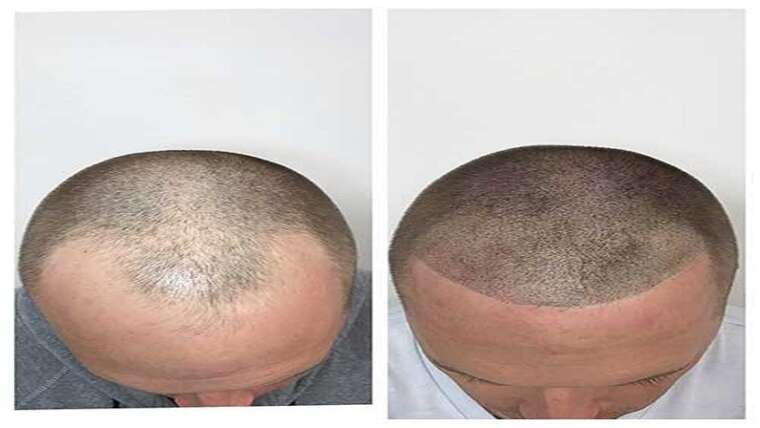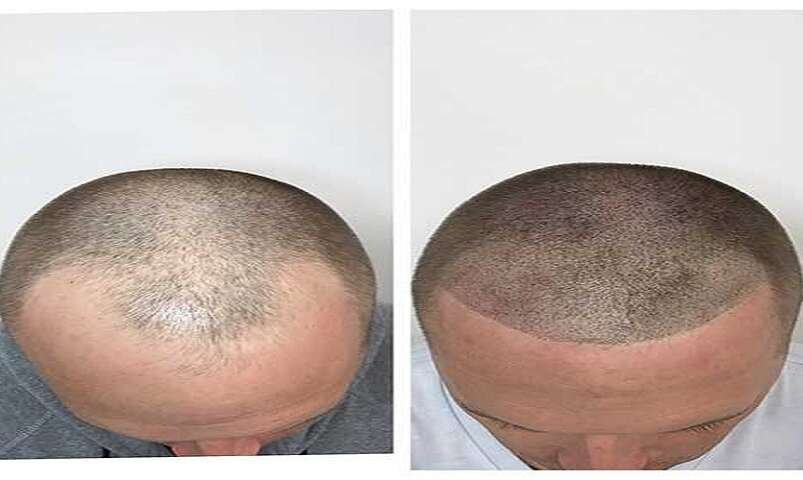

Healthy hair is often associated with confidence and overall well-being, but maintaining it requires more than regular shampooing and conditioning. Changes in hair density, persistent dandruff, excessive shedding, scalp irritation, and a receding hairline can sometimes indicate underlying concerns that need attention. Many people ignore these early warning signs, assuming they will resolve on their own. However, a timely hair and scalp health check-up can help identify potential problems and guide appropriate treatment before they become more difficult to manage.
Understanding the importance of early detection can help you take a proactive approach to maintaining healthy hair and a comfortable scalp.
What Is a Hair and Scalp Health Check-Up?
A hair and scalp health check-up is an assessment designed to evaluate the condition of your scalp, hair density, hair growth patterns, and possible causes of hair-related concerns. Depending on your symptoms, a qualified dermatologist or hair specialist may examine the scalp, review your medical history, discuss your hair care routine, and recommend further investigations when necessary.
The assessment may help identify concerns such as hereditary hair thinning, dandruff, scalp inflammation, excessive hair shedding, or possible nutritional deficiencies.
Rather than focusing only on visible symptoms, a professional evaluation aims to understand why a particular problem is occurring. This makes it easier to select an appropriate management plan based on individual needs.
Why Does Early Detection Matter for Hair Health?
- Helps Identify Hair Loss Before It Progresses
One of the main benefits of an early hair health check-up is recognising changes before hair thinning becomes extensive. Increased hair shedding, a widening parting, reduced ponytail thickness, or gradual thinning around the crown may be early signs of a hair loss condition.
Some forms of hair loss can be managed more effectively when identified early. For example, hereditary hair thinning may respond to appropriate treatment while affected follicles remain capable of producing hair.
Although early intervention cannot prevent every type of hair loss, identifying the cause promptly can help avoid unnecessary delays in treatment.
- Identifies the Underlying Cause of Hair Fall
Hair fall does not always have the same explanation. Stress, illness, hormonal changes, nutritional deficiencies, hereditary factors, medications, and certain scalp conditions can all contribute to hair loss.
Treating every type of hair fall with the same shampoo or hair growth product may not address the actual problem.
A professional assessment can help distinguish between temporary shedding, progressive hair thinning, and other conditions that require different approaches. Depending on the findings, blood tests or additional medical evaluations may be recommended.
Identifying the underlying cause is an important step towards choosing appropriate treatment.
- Helps Detect Scalp Problems Early
A healthy scalp provides the environment needed for normal hair growth. Persistent dandruff, redness, itching, excessive oiliness, scaling, and inflammation may indicate a scalp condition that needs attention.
For example, dandruff may often be managed with suitable anti-dandruff products, while psoriasis, eczema, fungal infections, or inflammatory scalp conditions may require different treatments.
Ignoring persistent symptoms can prolong discomfort and, in certain inflammatory conditions, contribute to hair damage or loss. Early assessment helps determine whether the problem requires routine scalp care or specific medical treatment.
- Supports More Personalised Hair Care
Every person’s hair and scalp have different needs. Hair texture, scalp oil production, existing medical conditions, lifestyle, and hair care habits can influence the most suitable approach.
A hair and scalp check-up helps establish a clearer understanding of these factors. Based on the assessment, recommendations may include changing hair care products, addressing nutritional deficiencies, treating a scalp condition, or considering evidence-based hair loss treatments.
Personalised guidance can also help people avoid unnecessary products and procedures that may not suit their condition.
- Helps Prevent Delays in Treating Certain Conditions
Some hair and scalp problems improve with appropriate treatment, while others may become more difficult to manage if left untreated.
Sudden hair loss, distinct bald patches, scalp pain, scarring, or significant inflammation should not be dismissed as ordinary hair fall. These symptoms can sometimes indicate conditions that require prompt medical attention.
Early diagnosis is particularly important when inflammation or scarring may damage hair follicles. In some cases, permanent hair loss can occur if the underlying condition is not treated in time.
Seeking professional advice when unusual symptoms appear can help reduce the risk of avoidable complications.
When Should You Get a Hair and Scalp Health Check-Up?
You do not necessarily need to wait until severe hair loss develops before seeking professional advice. Consider an assessment if you experience:
- Persistent or unusually heavy hair shedding.
- Gradual thinning around the crown, temples, or parting.
- Recurrent dandruff or an itchy, irritated scalp.
- Sudden bald patches or unexplained changes in hair density.
- Hair breakage or scalp symptoms that continue despite appropriate care.
Routine check-ups may also be useful for people with recurring scalp concerns or a family history of hereditary hair loss who want to understand their risk and available management options.
How Can You Maintain Healthy Hair Between Check-Ups?
Professional assessments work best alongside sensible daily habits. Use hair care products suited to your scalp, avoid excessive heat and tight hairstyles, maintain a balanced diet, and handle wet hair gently.
Avoid taking supplements without identifying a nutritional need, and be cautious about products that promise guaranteed hair regrowth. If symptoms persist, professional evaluation is more useful than repeatedly changing treatments without understanding the cause.
Take a Proactive Step Towards Better Hair Health
A hair and scalp health check-up is not simply about addressing visible hair loss. It is an opportunity to understand your scalp condition, recognise early warning signs, and make informed decisions about your hair care.
At Hairensure Trichology Clinic, individuals can seek professional guidance for hair fall, scalp concerns, dandruff, and hair thinning. Understanding the possible cause of a problem is an important first step towards choosing suitable care.
Noticing changes in your hair or scalp? Do not wait for the symptoms to become more noticeable. Consult a qualified hair or skin specialist for an appropriate assessment and personalised recommendations. Early detection, informed decisions, and consistent care can make a meaningful difference in managing your long-term hair health.