

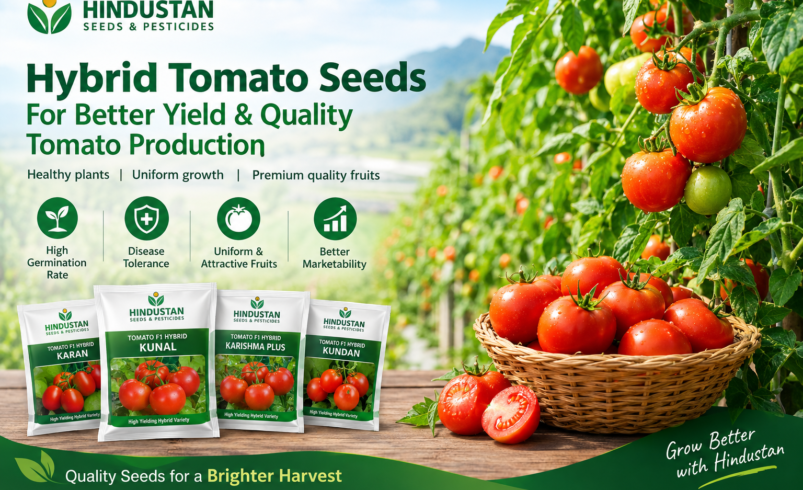

Tomato farming is an important part of vegetable cultivation in India, and selecting the right seeds can make a significant difference in crop performance. Farmers today look for varieties that offer good germination, uniform growth, quality fruits, disease tolerance, and reliable productivity. Choosing hybrid tomato seeds from a dependable seed supplier can help growers meet these requirements while improving the overall efficiency of tomato cultivation.
Why Choose Hybrid Tomato Seeds?
Hybrid tomato seeds are developed by crossing selected parent lines to combine desirable characteristics in the resulting plants. Compared with many traditional varieties, suitable hybrids can provide more uniform plants, consistent fruit development, and better marketable production. They are particularly useful for commercial farmers who need fruits with attractive appearance, firmness, and good transportation ability.
Another advantage is that different hybrid varieties are developed for specific characteristics. Depending on the variety, farmers can select tomatoes with round or oval fruit shapes, different fruit weights, early maturity, and tolerance to certain common diseases. This makes it easier to choose a seed according to local growing conditions and market requirements.
Selecting the Right Variety for Your Farm
Not every tomato variety performs exactly the same way. Farmers should consider factors such as climate, soil conditions, cultivation method, maturity period, fruit size, disease pressure, and the intended market before selecting seeds.
Hindustan Seeds & Pesticides offers several tomato F1 hybrid varieties. For example, Tomato F1 Hybrid Kunal produces oval fruits weighing around 110–120 grams and has a reported maturity period of 65–70 days after transplanting. Tomato F1 Hybrid Karan produces oval fruits of approximately 100–110 grams and can mature in about 60–65 days. Other available varieties include Kundan, Karishma Plus, Afsana-208, and Kareena, each offering different fruit characteristics and performance features.
Benefits for Commercial Tomato Cultivation
Quality seeds form the foundation of a productive crop. Suitable hybrid varieties can provide vigorous plant establishment, uniform growth, firm fruits, and improved marketability. Some varieties are also selected for tolerance to diseases such as tomato yellow leaf curl virus and bacterial wilt, helping farmers manage common crop challenges more effectively.
Firm fruits can also be beneficial when tomatoes need to travel longer distances from farms to wholesale markets. Better fruit quality and transportation characteristics may help reduce post-harvest losses and maintain the appearance of produce when it reaches customers.
Tips for Better Tomato Production
Farmers should prepare well-drained soil and maintain suitable spacing between plants to encourage healthy growth and air circulation. Balanced nutrition based on soil requirements is also important for strong plants and good fruit development. Depending on the variety, staking or trellising can provide additional plant support and help keep developing fruits away from direct ground contact.
Regular crop monitoring is equally important. Early identification of pests, diseases, nutritional problems, or water stress allows farmers to take timely corrective measures and protect crop performance.
Choose Quality Seeds for Your Next Crop
Successful tomato cultivation begins with making informed seed choices. Farmers should select varieties according to their growing environment, production goals, maturity requirements, and market preferences rather than choosing seeds only on price.
For growers looking for reliable hybrid tomato seeds, Hindustan Seeds & Pesticides provides a range of tomato F1 hybrid varieties designed for different cultivation needs. Farmers can explore the available varieties, compare their characteristics, and select seeds that align with their production objectives. With the right variety and proper crop management practices, growers can work toward healthier plants, quality fruits, and a more productive tomato harvest.