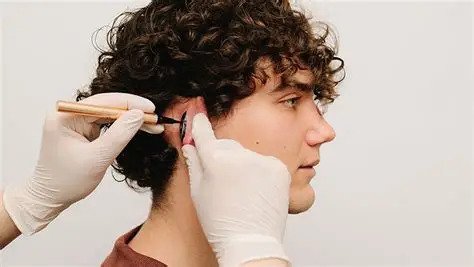

For some people, the shape or position of the ears can be a source of self-consciousness, particularly when the ears appear more prominent or differ noticeably from the rest of the facial features. These concerns can develop during childhood or remain into adulthood and may affect how a person feels about their appearance otoplasty surgery in dubai is a cosmetic ear procedure designed to reshape, reposition, or improve the proportion of the outer ear. While appearance is the most common reason people consider otoplasty, the decision is personal and can be influenced by several factors.
Understanding why people seek treatment, what the procedure involves, and what to consider before surgery can help patients approach a consultation with realistic expectations.
What Is Otoplasty?
Otoplasty, often called ear reshaping or ear pinning surgery, is a procedure that changes the shape, position, or proportion of the external ear.
Depending on the individual’s anatomy and goals, an ear surgeon may reshape cartilage, adjust the position of the ear closer to the head, or refine specific areas of the ear. The exact surgical approach varies from patient to patient.
Otoplasty generally focuses on the external ear rather than hearing structures deeper inside the ear. It is therefore primarily considered a reconstructive or cosmetic procedure rather than a treatment for hearing loss.
Why Do People Consider Otoplasty Surgery?
There is no single reason someone chooses ear reshaping surgery. Some patients have been conscious of their ears since childhood, while others become more aware of the difference later in life.
Common reasons include:
- Prominent or protruding ears
- Asymmetry between the two ears
- An ear shape that appears disproportionate to the face
- Developmental differences in the external ear
- Changes resulting from an injury
- Dissatisfaction with the appearance of the ears in photographs or everyday situations
- Emotional discomfort or reduced confidence related to ear appearance
The motivation should ultimately come from the individual rather than pressure from family, friends, or social expectations.
1. Prominent or Protruding Ears
One of the most common reasons for considering otoplasty is ears that appear more prominent from the side or front.
Prominent ears can result from differences in cartilage development, the shape of the ear fold, or the angle between the ear and the side of the head. In some cases, more than one anatomical factor contributes to the appearance.
Otoplasty can be used to modify these structures and create a more balanced relationship between the ears and the surrounding facial features.
The goal is not necessarily to make the ears completely flat against the head. A natural result generally involves maintaining appropriate shape, contours, and proportion.
2. Uneven or Asymmetrical Ears
Perfect facial or ear symmetry is uncommon. However, noticeable differences between the two ears can make some people feel uncomfortable about their appearance.
Asymmetry may involve differences in:
- Ear size
- Ear projection
- Cartilage shape
- Ear folds
- Position relative to the head
- Overall contour
During an assessment, a surgeon can examine both ears and determine whether surgery could reasonably improve the visible difference.
It is important to understand that surgery aims to improve asymmetry rather than guarantee identical ears. Natural human anatomy is rarely perfectly symmetrical.
3. Concerns About Ear Shape
Some people are less concerned about how far their ears project and more concerned about their overall shape.
The external ear contains several folds and cartilage structures that contribute to its appearance. If one of these areas is underdeveloped, overly pronounced, or shaped differently, the ear may appear unusual to the individual.
Otoplasty can sometimes address specific structural concerns while preserving the natural characteristics of the ear.
The appropriate technique depends on the patient’s anatomy, the area being treated, and the desired outcome.
4. Developmental Differences
The ears continue developing during childhood, and some individuals have noticeable differences in the shape or development of the external ear.
When these differences become a source of self-consciousness, parents may consider an assessment with an experienced specialist. Children being considered for surgery should be mature enough to understand the procedure and participate appropriately in the decision-making process.
For adults, longstanding concerns about ear appearance can also be evaluated. Age, general health, anatomy, expectations, and individual circumstances all matter when determining whether surgery is appropriate.
5. Changes Following an Injury
Not every otoplasty procedure is performed solely for cosmetic reasons.
Trauma or previous injury can alter the shape or position of the external ear. Depending on the nature of the injury and the structures affected, reconstructive ear surgery may be considered to improve the appearance or restore aspects of the ear’s form.
These cases can be more complex than routine cosmetic ear reshaping. A detailed clinical assessment is important to understand what can realistically be achieved.
What Happens During an Otoplasty Consultation?
A consultation is an important part of the process because there is no universal approach to ear reshaping.
During an assessment, the doctor may discuss:
- Your main concern: What specifically bothers you about the appearance of your ears?
- Ear anatomy: The shape, cartilage, folds, symmetry, and position of both ears are assessed.
- Medical history: Previous procedures, injuries, medications, and relevant health conditions may need to be discussed.
- Expectations: Understanding what you want to change helps determine whether those goals are realistic.
- Treatment approach: If surgery is appropriate, the surgeon can explain the proposed technique and what recovery may involve.
A consultation should also give patients an opportunity to ask questions rather than simply focus on the procedure itself.
Is Otoplasty Right for Everyone?
Otoplasty can be appropriate for many people, but it is not automatically suitable for everyone.
A surgeon will consider factors such as overall health, ear anatomy, skin and cartilage characteristics, previous ear surgery or trauma, and the patient’s expectations.
Patients should also understand that every surgical procedure carries potential risks. These can include infection, bleeding, scarring, changes in sensation, asymmetry, or changes that may require further treatment. The specific risks should be discussed directly with the treating surgeon.
What Should You Expect After Surgery?
Recovery varies according to the surgical technique and individual healing response. Patients may experience temporary swelling, tenderness, or bruising around the treated area.
Your surgeon will provide specific postoperative instructions regarding wound care, activity, sleeping position, and follow-up appointments. Following these instructions is an important part of supporting the healing process.
It is also worth remembering that the final appearance may not be immediately visible because swelling and normal tissue healing can temporarily affect the shape of the ears.
Choosing an Otoplasty Specialist in Dubai
Choosing a surgeon should involve more than simply comparing treatment prices.
Patients considering otoplasty surgery in Dubai may want to look at:
- The surgeon’s relevant training and experience
- Whether the doctor regularly evaluates and treats ear-related concerns
- The quality of the consultation process
- Whether the proposed treatment is tailored to individual anatomy
- How clearly potential risks and limitations are explained
- The planned follow-up and postoperative care
Dr. Jerome Paris is a specialist who can discuss individual ear concerns and whether surgical correction may be appropriate based on the patient’s anatomy and goals. A personal consultation is the appropriate setting to determine what treatment, if any, is suitable.
Frequently Asked Questions
Is otoplasty only performed for prominent ears?
No. Otoplasty may also be considered for certain forms of ear asymmetry, unusual ear contours, developmental differences, or changes caused by injury. The appropriate approach depends on the specific anatomy.
Can adults have otoplasty surgery?
Yes. Otoplasty is not limited to children. Adults may consider the procedure if they have longstanding concerns about ear shape or projection and are medically suitable for surgery.
Does otoplasty improve hearing?
Otoplasty primarily changes the appearance or position of the external ear. It is not generally performed as a treatment for hearing loss, and patients with hearing concerns should discuss those separately with an appropriate medical professional.
Will both ears be operated on?
Not necessarily. The treatment plan depends on the patient’s anatomy and the concern being addressed. Both ears may be treated when the goal is to improve overall symmetry, while some cases may require attention to a particular area.
How do I know if otoplasty is suitable for me?
The best way to determine suitability is through an individual consultation. A qualified specialist can examine the ears, discuss your goals, explain possible approaches, and outline the potential benefits and risks relevant to your situation.
Conclusion
Otoplasty can be considered for a range of concerns, from prominent ears and asymmetry to developmental differences and changes following injury. The most important step is understanding the underlying anatomy and having realistic expectations about what surgery can achieve.
For anyone considering otoplasty surgery in Dubai, a detailed consultation with an experienced specialist can provide a clearer understanding of the available options. Dr. Jerome Paris can assess individual concerns and discuss whether ear reshaping surgery is an appropriate option based on the patient’s needs and goals.