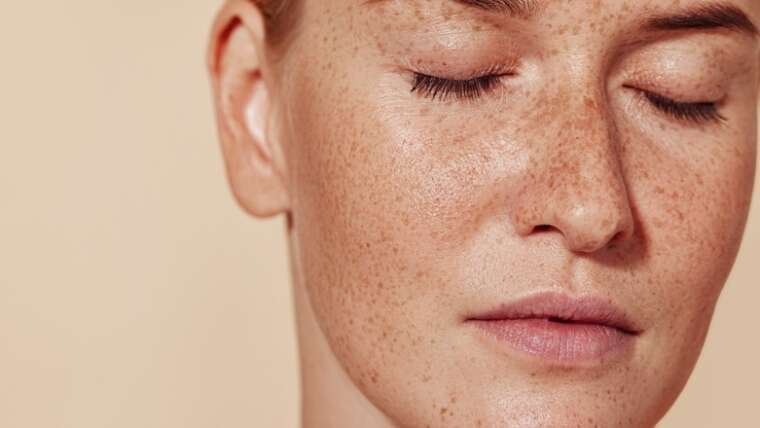

Understanding Skin Pigmentation and Its Causes at Altaderma Clinic
Skin pigmentation is a common concern that affects people of different ages and skin types. It appears when certain areas of the skin become darker than the surrounding skin due to increased melanin production. Melanin is the natural pigment responsible for skin colour. When its production becomes uneven, dark spots, patches, and an irregular skin tone may develop.
Many people experience pigmentation on their face, forehead, cheeks, upper lip, and other exposed areas. Sun exposure, hormonal changes, ageing, acne marks, and skin inflammation are some common causes. Although pigmentation is usually harmless, it can affect skin appearance and confidence.
At Altaderma Clinic, patients can explore different options for improving uneven skin tone and reducing the appearance of dark spots. Choosing the right Pigmentation Treatment in Dubai depends on the type of pigmentation, skin condition, and individual treatment goals. A professional skin assessment helps determine which approach may be suitable.
What Are the Different Types of Skin Pigmentation?
Understanding the type of pigmentation is important before selecting a treatment. Different pigmentation concerns may require different approaches, so identifying the underlying cause is an essential first step.
Melasma and Hormonal Pigmentation
Melasma appears as brown or greyish patches, commonly on the cheeks, forehead, nose, and upper lip. It is often associated with hormonal changes, pregnancy, certain medications, and sun exposure.
This condition can be challenging because pigmentation may return even after treatment. Professional care and regular sun protection are important for managing melasma and maintaining more even-looking skin.
Sunspots and Age Spots
Sunspots develop due to prolonged exposure to ultraviolet (UV) rays. They usually appear on areas that receive frequent sunlight, including the face, hands, shoulders, and neck.
Age spots are also associated with accumulated sun exposure over time. They may appear as small, flat, brown patches and become more noticeable as the skin ages.
Post-Inflammatory Hyperpigmentation
Post-inflammatory hyperpigmentation develops after skin inflammation or injury. It commonly occurs following acne, insect bites, burns, aggressive skin treatments, or irritation.
These dark marks can remain even after the original skin problem has healed. Suitable skincare and professional treatments may help improve their appearance over time.
How Pigmentation Treatment in Dubai Helps Improve Dark Spots
The purpose of Pigmentation Treatment in Dubai is to reduce excess pigmentation, improve uneven skin tone, and create a clearer-looking complexion. Different treatments target pigmentation in different ways. Some work by improving the removal of pigmented skin cells, while others target melanin production or specific areas of discoloration.
At Altaderma Clinic, the appropriate treatment can be discussed after examining the patient’s skin and understanding the cause of pigmentation.
Chemical Peels for Uneven Skin Tone
Chemical peels are commonly used to improve certain types of pigmentation. They involve applying a specially selected solution to the skin to exfoliate its outer layers.
This process helps remove accumulated dead skin cells and encourages skin renewal. Depending on the type and strength of the peel, it may help improve:
- Mild sunspots.
- Post-acne dark marks.
- Uneven skin tone.
- Surface-level pigmentation.
- Dull and rough skin texture.
Different chemical peels are available, and the selection depends on skin sensitivity and pigmentation depth. Patients should follow professional aftercare instructions because irritation or unsuitable peel strength can sometimes make pigmentation worse.
Laser Treatment for Dark Spots
Laser treatments use controlled light energy to target certain types of unwanted pigmentation. Depending on the technology, laser procedures may help break down excess pigment so that the body can gradually remove it.
Laser treatment may be considered for selected sunspots, age spots, and other forms of pigmentation. However, not every pigmentation condition responds equally well to laser procedures.
Skin type is particularly important when choosing this option. People with darker skin tones may have a higher risk of developing post-treatment pigmentation if unsuitable settings or techniques are used. A professional assessment is necessary before proceeding.
Microneedling for Pigmentation and Skin Texture
Microneedling is a treatment that uses fine, sterile needles to create controlled micro-injuries in the skin. This stimulates the body’s natural healing response and supports collagen production.
It is mainly used to improve skin texture, acne scars, and certain pigmentation concerns. In some cases, microneedling may be combined with suitable topical products to support overall skin improvement.
The treatment should be selected carefully, especially for patients with melasma or sensitive skin, because excessive inflammation may worsen pigmentation.
Best Pigmentation Treatment in Dubai: Choosing the Right Option
Finding the Best Pigmentation Treatment in Dubai requires understanding that there is no single solution for every type of dark spot. A treatment that works well for sunspots may not be the most appropriate option for melasma or acne-related pigmentation.
Personalised Skin Assessment at Altaderma Clinic
A professional skin assessment helps identify the location, depth, and possible cause of pigmentation. The specialist may ask about previous treatments, skincare products, medical history, sun exposure, and hormonal changes.
At Altaderma Clinic, patients can discuss their skin concerns and explore suitable treatment options according to their individual needs.
A personalised approach is important because treating pigmentation without identifying its cause may lead to limited improvement or recurring dark spots.
Medical-Grade Skincare for Pigmentation
Skincare products can play an important role in managing pigmentation. Certain ingredients help reduce excess melanin production, support skin renewal, and improve uneven skin tone.
Common ingredients include:
- Vitamin C: An antioxidant that helps protect the skin from environmental damage and supports a brighter appearance.
- Niacinamide: Helps improve uneven skin tone and supports the skin barrier.
- Azelaic acid: May help improve acne-related pigmentation and certain forms of discoloration.
- Retinoids: Encourage skin cell turnover and may help reduce dark marks over time.
- Kojic acid: Helps reduce melanin production and improve certain pigmentation concerns.
Not every ingredient is suitable for every skin type. A specialist can recommend appropriate products and explain how to introduce them safely into a skincare routine.
Combining Professional Treatments with Home Care
Some patients may benefit from a combination of professional procedures and a suitable home skincare routine. For example, a carefully selected chemical peel may be combined with prescribed topical products and regular sunscreen use.
However, combining treatments should always be based on skin condition and tolerance. Using too many active ingredients or undergoing aggressive procedures can cause irritation and worsen dark spots.
What to Expect During Pigmentation Treatment at Altaderma Clinic
Understanding the treatment process can help patients feel more comfortable before starting their skin improvement journey.
Initial Consultation and Skin Examination
The first step is a consultation to discuss pigmentation concerns and treatment expectations. The specialist examines the skin and identifies possible causes of discoloration.
Patients should mention any previous chemical peels, laser procedures, allergies, medications, or skincare products they currently use. This information helps determine which treatments may be appropriate.
During the Treatment Session
The treatment experience depends on the selected procedure. Chemical peels may cause temporary tingling or mild stinging, while laser treatments may produce a brief warm or snapping sensation.
Microneedling may cause mild discomfort and temporary redness. The specialist provides instructions about what to expect during and immediately after the procedure.
Treatment duration also varies depending on the technique and the area being treated.
Recovery and Aftercare
Aftercare is an important part of pigmentation management. Patients should follow the instructions provided by their skincare professional to support healing and reduce the risk of further discoloration.
General aftercare recommendations may include:
- Applying broad-spectrum SPF 30 or higher sunscreen daily.
- Avoiding unnecessary direct sunlight.
- Using gentle skincare products.
- Avoiding harsh exfoliants until the skin has recovered.
- Keeping the skin moisturised.
- Avoiding picking, scratching, or rubbing treated areas.
Some treatments require minimal downtime, while others may involve temporary redness, peeling, or sensitivity.
Pigmentation Treatment Cost in Dubai: What Determines the Price?
Understanding the Pigmentation Treatment cost in Dubai is important when planning professional skincare. Treatment prices can vary because every patient has different pigmentation concerns and may require a different approach.
Factors That Affect Pigmentation Treatment Cost in Dubai
Several factors may influence the overall cost of pigmentation treatment, including:
- Type of Treatment: Laser procedures, chemical peels, microneedling, and other professional treatments have different pricing structures.
- Severity of Pigmentation: Extensive or deeper pigmentation may require a more detailed treatment plan and multiple sessions.
- Number of Sessions: Some pigmentation concerns improve gradually and may require several appointments.
- Treatment Area: Treating a small dark spot may involve a different cost compared with treating larger areas such as both cheeks or the entire face.
- Skincare and Follow-Up: Recommended skincare products and follow-up appointments may also influence the overall treatment budget.
Why a Personalised Cost Assessment Is Important
There is no single fixed price suitable for every pigmentation concern. A consultation helps determine the most appropriate treatment and the estimated number of sessions.
At Altaderma Clinic, patients can discuss their concerns, treatment options, and expected expenses before deciding on a procedure. Understanding the complete treatment plan helps patients make informed decisions.
How to Prevent Dark Spots from Returning After Treatment
Treating existing pigmentation is only one part of maintaining an even-looking complexion. Preventive skincare habits are equally important because sun exposure and skin inflammation can cause dark spots to return.
Daily Sunscreen and Sun Protection
Sun protection is one of the most important steps in managing pigmentation. UV exposure can increase melanin production and make existing dark spots more noticeable.
Use a broad-spectrum sunscreen with SPF 30 or higher every day, even when the weather is cloudy. Reapply it every two hours when outdoors and after swimming or sweating.
Wearing a wide-brimmed hat and avoiding prolonged direct sunlight can provide additional protection.
Maintain a Gentle Skincare Routine
A consistent skincare routine helps maintain the skin barrier and reduce unnecessary irritation. Choose gentle cleansers, suitable moisturisers, and recommended products for pigmentation.
Avoid frequently changing skincare products or using strong exfoliating ingredients without professional guidance. Patients who experience acne should also manage breakouts properly to reduce the risk of developing new dark marks.
Follow Professional Recommendations
Pigmentation can be a long-term concern, particularly in cases of melasma. Regular follow-ups and appropriate maintenance skincare may help control recurring discoloration.
Patients should discuss any new dark spots, irritation, or changes in skin appearance with a qualified professional rather than trying multiple treatments without guidance.
Conclusion: Achieve a More Even Skin Tone with Altaderma Clinic
Dark spots and uneven skin tone can develop for several reasons, including sun exposure, hormonal changes, ageing, and acne-related inflammation. Different treatment options, such as chemical peels, laser procedures, microneedling, and medical-grade skincare, may help improve the appearance of pigmentation.
Choosing the right Pigmentation Treatment in Dubai starts with understanding your skin type and identifying the underlying cause of discoloration. At Altaderma Clinic, patients can explore personalised treatment options and receive guidance on suitable procedures, skincare, and aftercare.
Whether you are concerned about melasma, sunspots, or post-acne marks, a professional consultation can help you understand your options and work towards a clearer, healthier-looking, and more even complexion.