

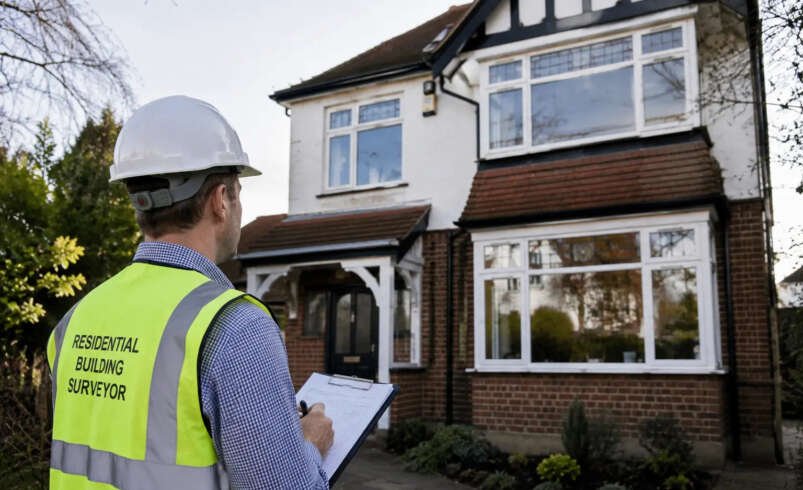

There’s a moment every home buyer knows well. You walk into a house that just feels right. The light hits the kitchen a certain way. You can already picture your furniture in the living room. And in that moment your brain quietly starts ignoring every small warning sign your eyes just passed. That’s exactly the moment a residential building surveyor exists to protect you from.
Sellers aren’t lying when they say the roof is fine. Most of the time they genuinely believe it. But belief isn’t evidence and a fresh coat of paint can hide a surprising number of sins. This article walks through what this kind of professional actually looks for and why so many buyers wish they’d hired one before falling in love with a house instead of after.
Why a Residential Building Surveyor Sees What You Can’t
Buying a home is an emotional experience first and a financial decision second even though most people insist it’s the other way around. A residential building surveyor isn’t emotionally attached to the property. They walk through with a trained eye looking for evidence rather than atmosphere.
Where you see charming exposed brick they might see signs of old damp treatment that never fully worked. Where you see a nicely finished loft conversion they check whether it was actually built to regulation or simply boarded over for a quick sale. This is the value an independent inspection brings that a casual walkthrough or even a standard valuation simply cannot replicate.
What Home Surveys Actually Cover
There’s a common misconception that a mortgage valuation and a proper home survey are the same thing. They aren’t even close. A valuation exists purely to confirm the property is worth what the lender is being asked to fund. It isn’t designed to protect the buyer at all.
A genuine house survey goes much deeper. Depending on the property’s age and condition a residential building surveyor might recommend anything from a basic condition report to a full structural review. Older homes especially benefit from a more detailed level three surveyor inspection since older construction methods and decades of past repairs tend to hide problems that a quick look would never catch.
Common Issues a Residential Building Surveyor Uncovers
Certain issues show up again and again in property inspections. This kind of expert is trained to spot these even when they’ve been carefully disguised before viewings.
Some of the most frequent findings include:
- Rising or penetrating damp masked with fresh paint or a strategically placed cabinet
- Roof coverings nearing the end of their working life despite looking fine from ground level
- Cracking caused by ground movement rather than simple settlement
- Poorly executed extensions or loft conversions lacking proper building control approval
- Electrical and plumbing work that was never signed off by a qualified professional
None of this means every older property is a disaster waiting to happen. It simply means an independent inspection gives buyers something sellers rarely volunteer on their own. The full picture.
What Sellers Won’t Tell You (Because They Often Don’t Know Either)
Here’s the part that surprises most first time buyers. Sellers frequently aren’t hiding anything intentionally. They’ve lived in the home for years and stopped noticing the small crack by the window or the faint musty smell in the cupboard under the stairs. Familiarity has a way of making real issues invisible to the people living with them every day.
This is exactly why an independent residential building surveyor matters so much. They walk in with zero familiarity and zero emotional investment. Their entire job is to notice what everyone else has stopped seeing.
A Regional Look: Property Surveys in Liverpool
While the principles of this kind of inspection stay consistent everywhere older housing stock tends to raise the stakes. Liverpool is a strong example. Between its Victorian terraces and post war housing much of the city’s property survey Liverpool clients request tends to focus on subsidence prone soil and outdated damp proofing methods common to that era of construction.
A building surveyor Liverpool homeowners hire for a house survey Liverpool property will often flag issues tied directly to the city’s building history. Original slate roofs reaching the end of their lifespan. Solid wall construction with no cavity to prevent damp penetration. Or additions built decades ago without proper documentation. For anyone weighing a house valuation in Liverpool alongside a full residential inspection it’s worth remembering these are two very different services answering two very different questions.
Choosing the Right Residential Building Surveyor
Not all inspections are created equal and not everyone offering to check out a house is qualified to do so. Look for a residential building surveyor who holds recognized professional accreditation and carries proper indemnity insurance reflecting the seriousness of their findings.
Ask direct questions before hiring anyone. How many similar properties have they surveyed? Will the report include clear photographs and plain language explanations rather than dense technical jargon? Can they walk you through the findings by phone once the report is complete. A professional worth hiring won’t hesitate to answer any of this with confidence.
The Real Value of an Honest Opinion
At the end of the day what this kind of inspection really offers isn’t a list of scary problems. It’s clear. It’s the difference between buying a home with your eyes open versus buying one hoping for the best and finding out the truth six months later during a rainy season when the ceiling starts leaking.
That kind of certainty is worth far more than the cost of the survey itself. It protects your finances yes but it also protects something harder to measure. The peace of mind that comes from knowing exactly what you’re walking into before you sign anything.
Final Thoughts
Every home has a story and not all of it gets told during a viewing. A residential building surveyor exists to fill in the parts sellers leave out whether on purpose or simply because they’ve stopped noticing. Whether you’re buying your first home or your fifth a proper inspection from a qualified expert remains one of the smartest and most protective decisions you can make before signing on the dotted line.
FAQs
What does a residential building surveyor actually do?
This kind of professional inspects a property’s condition in detail identifying structural issues, damp problems and other defects that aren’t visible during a normal viewing or covered by a standard mortgage valuation.
Is a residential building surveyor the same as a home inspector?
The terms are often used interchangeably by the public but this type of expert typically holds formal chartered qualifications and follows recognized professional standards for reporting.
How long does a home survey usually take?
Most home surveys take between two and four hours on site depending on the property’s size and age with the full written report typically following within a week.
Do new builds need an independent inspection?
Yes. New builds can suffer from rushed construction or overlooked defects and an independent inspection ensures issues are caught before the warranty period expires.
What is the difference between a house survey and a valuation?
A valuation confirms a property’s worth for mortgage purposes only. A house survey conducted by this type of expert assesses the actual physical condition of the property in depth.