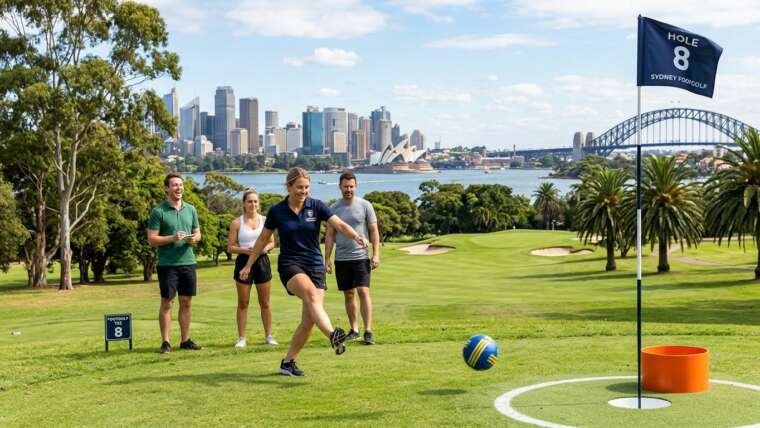

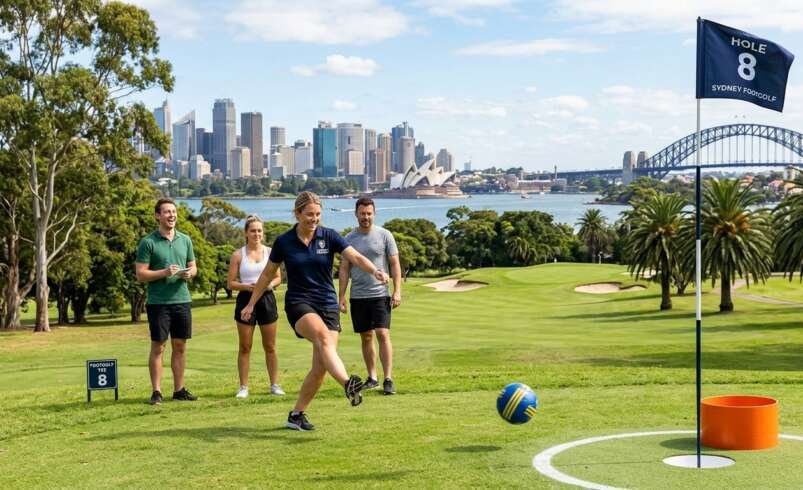

Choosing the right youth football gear is an important part of helping young players enjoy football, train confidently and develop their skills. From properly fitted football boots and shin guards to comfortable jerseys, socks and training equipment, the right gear can make every session more enjoyable. Parents, coaches and foot golf sydney clubs should focus on equipment that fits the player, suits the playing surface and meets local competition requirements.
For young players, football equipment is not only about appearance. Good youth football gear should provide comfort, protection, freedom of movement and reliable performance. In Australia, requirements can also vary between clubs, schools and competitions, so checking the rules before purchasing equipment is always a good idea. NSW school football guidance, for example, requires suitable shin guards and appropriate footwear for competitive football.
Why the Right Youth Football Gear Matters
Young football players are constantly developing their coordination, balance, speed and technical ability. Equipment that fits correctly allows them to move naturally without unnecessary discomfort.
Poorly fitted boots can make running and ball control more difficult. Loose shin guards may move during play, while uncomfortable jerseys or socks can distract players during training.
The right equipment helps young players focus on what matters most: learning, practising and enjoying football.
Parents do not necessarily need to buy the most expensive products. Instead, they should look for durable, comfortable and age-appropriate equipment that meets the player’s actual needs.
Essential Youth Football Gear
A basic youth football kit normally includes several important items.
Football Boots
Football boots are one of the most important pieces of equipment for young players. The correct boots should fit securely without being painfully tight.
Parents should avoid buying boots that are significantly too large simply so the child can use them for longer. Oversized boots can affect stability and ball control.
The type of sole should also match the playing surface. Firm-ground boots are commonly used on natural grass, while turf shoes are better suited to certain artificial or hard surfaces. Indoor football requires flat indoor shoes rather than studded boots.
Before purchasing boots, check where the child normally trains and plays.
Shin Guards
Shin guards are essential protective equipment for young football players.
Football involves regular contact, tackles and accidental kicks, so protecting the lower legs is important. NSW school football guidance states that suitable shin guards are compulsory for competitive football.
A good shin guard should cover the shin properly without restricting movement. It should stay securely in place during running and changes of direction.
Younger players may prefer shin guards with ankle protection, while older players often choose lightweight slip-in designs.
Football Socks
Football socks are designed to hold shin guards in place while providing comfort during training and matches.
A good pair should fit securely around the leg without being too tight. Socks should also be long enough to cover the shin guards properly.
Having multiple pairs is useful for players who train several times each week.
Football Jersey and Shorts
A football jersey should provide enough room for movement without being excessively loose.
Young players need to run, turn, jump and stretch throughout a session, so lightweight and breathable materials are usually a practical choice.
Football shorts should also provide freedom of movement. A comfortable kit can help players remain focused throughout a match.
For club players, parents should check whether the club provides official jerseys and shorts before purchasing a complete kit.
Goalkeeper Gear
Young players who regularly play goalkeeper may require additional equipment.
Goalkeeper gloves provide grip and protection when handling the ball. A goalkeeper may also benefit from padded goalkeeper clothing, depending on the level of competition and personal preference.
Goalkeeper equipment should fit correctly because oversized gloves or clothing can affect movement and ball handling.
Footballs for Youth Players
The football itself is another important part of youth football gear.
Younger age groups generally use smaller footballs before progressing to larger sizes as they grow. The exact ball size should be confirmed with the player’s club or competition.
Using the correct ball can help children develop better control and confidence.
For training, clubs should choose durable footballs that can withstand frequent use. Coaches may also need several balls for passing drills, small-sided games and technical exercises.
Training Equipment for Young Players
Football training is not limited to boots and a ball.
Coaches and parents can use simple training equipment to develop different skills.
Useful equipment includes:
Training cones
Marker discs
Agility ladders
Mini hurdles
Training bibs
Portable goals
Ball pumps
Equipment bags
These products can help coaches organise structured training sessions.
For example, cones can be used to create dribbling courses, passing areas and small-sided game zones.
Choosing Football Gear for Different Playing Surfaces
The playing surface should always be considered when buying youth football gear.
Natural grass, artificial turf and indoor courts have different requirements.
Firm-ground boots are commonly designed for natural grass. Turf footwear can be useful on shorter artificial surfaces or harder grounds, while indoor football requires footwear with a flat sole.
Parents should ask the coach or club which surfaces the child will regularly use.
Choosing the wrong footwear can reduce comfort and may also conflict with competition rules.
Comfort Should Come First
Young players spend significant time training and playing, so comfort should be a priority.
A football jersey that is too tight can restrict movement. Boots that are too small can cause discomfort. Shin guards that constantly move can become distracting.
When buying youth football gear, consider:
Fit
Material
Durability
Weight
Playing surface
Weather
Competition requirements
A comfortable player is more likely to enjoy training and stay engaged throughout the session.
Youth Football Gear for Australian Conditions
Australian football players can experience a wide range of weather conditions.
Summer sessions can be hot, while winter training may require additional layers.
A youth player’s kit bag may therefore include:
Lightweight training shirts
Long-sleeve base layers
Rain jackets
Warm-up clothing
Spare socks
A water bottle
A small towel
Sun protection
Parents should prepare equipment according to the local climate and training schedule.
Training Gear for Skill Development
Young players can improve their football skills through regular practice.
A simple home training setup does not need to be expensive. A ball and a few cones can provide opportunities to practise dribbling, passing and shooting.
Agility equipment can also help players work on quick movements and coordination.
However, training should remain age appropriate. Football Australia recommends structured youth training that includes recovery and rest, with guidance recommending two days away from structured football training within a seven-day week.
Good equipment is helpful, but balanced training habits are equally important.
Building a Youth Football Kit Bag
A well-organised kit bag makes match days easier.
A basic youth football kit bag can contain:
Football boots
Shin guards
Football socks
Training jersey
Match jersey
Shorts
Water bottle
Football
Small towel
Spare clothing
Rain jacket
Ball pump
Keeping everything together also reduces the chance of forgetting important equipment.
Buying Youth Football Gear on a Budget
Parents do not need to purchase every available football accessory.
Start with essential equipment.
The priority should normally be:
Properly fitted boots
Shin guards
Football socks
Required club kit
Training clothing
A suitable football
Additional training equipment can be purchased later.
Parents should also check whether clubs provide certain items before buying them independently.
Youth Football Gear for Clubs and Schools
Football clubs and schools often need equipment in larger quantities.
A club may need footballs, cones, training bibs, goals and equipment bags for multiple teams.
Durability becomes particularly important when equipment is shared by many players.
Schools should also choose equipment that is suitable for different age groups and playing abilities.
How to Maintain Football Gear
Proper maintenance can extend the life of football equipment.
Clean boots after training and allow them to dry naturally. Avoid storing wet boots in closed bags for long periods.
Wash football kits according to the manufacturer’s instructions.
Check shin guards regularly for cracks or damage.
Keep footballs properly inflated and inspect them for signs of wear.
Organising equipment after every session can also help prevent unnecessary damage.