
A shopping trip often involves more than purchasing planned products. Consumers discover new brands, explore promotional offers, compare products, and sometimes make unplanned purchases while visiting shopping centers.
This makes shopping centers valuable environments for influencing consumer behaviour. Unlike advertisements encountered briefly on roads or during travel, in-mall promotions reach people while they are already in a shopping mindset.
Strategically placed advertisements can attract attention, create curiosity, and encourage shoppers to explore products they may not have considered before.
How Advertising Shapes Decisions Inside Shopping Centers
Consumer decisions are influenced by several factors, including visibility, convenience, emotions, and perceived value. Shopping center advertising uses these elements to connect brands with potential customers.
1. Creating Awareness Through Repeated Exposure
Shoppers often pass through the same corridors, entrances, escalators, and common areas during their visits. Advertisements placed in these locations can create repeated brand exposure.
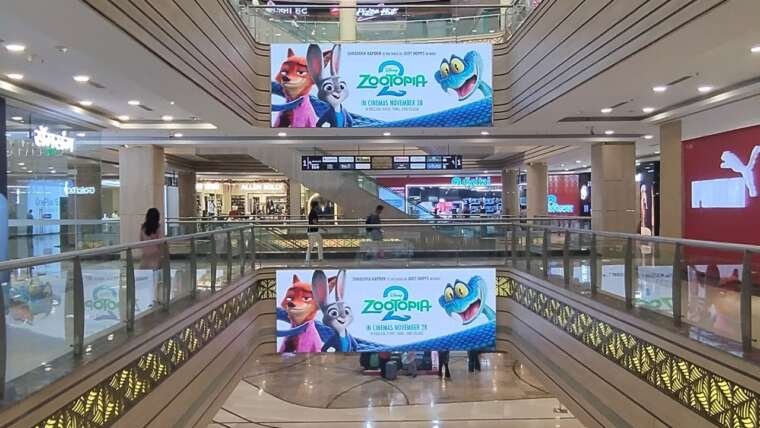
Digital screens, wall branding, and escalator displays help businesses keep their messages visible. Over time, this exposure can improve brand recognition and make consumers more familiar with a product or service.
2. Encouraging Impulse Purchases
Shopping environments naturally create opportunities for spontaneous buying decisions. An attractive promotional display, limited-time offer, or product demonstration can encourage shoppers to consider an unplanned purchase.
For example, a food brand offering product samples may motivate visitors to try something new. Similarly, a retail advertisement highlighting a seasonal discount can encourage shoppers to visit a store.
3. Building Emotional Connections Through Experiences
Consumers are more likely to remember experiences that involve interaction and participation. Shopping center advertising can go beyond traditional displays through product demonstrations, themed installations, games, and promotional events.
These activities create opportunities for customers to interact with brands instead of simply viewing advertisements. Positive experiences can strengthen brand recall and encourage future engagement.
4. Influencing Product Discovery
Many shoppers visit shopping centers without having a fixed purchase plan. Advertising can introduce them to new products, services, and brands during their visit.
For instance, a digital advertisement promoting a newly launched smartphone may encourage a visitor to explore its features at a nearby store. This demonstrates how strategically placed promotions can influence product consideration.
The Role of Different Advertising Formats
Different advertising formats influence shoppers in different ways.
Digital Screens: Dynamic visuals and promotional videos attract attention and communicate product information quickly.
Atrium Branding: Large-format installations create strong visual impressions and improve brand visibility across common areas.
Escalator Advertising: Repeated exposure during movement between floors helps reinforce brand messaging.
Retail Kiosks: Interactive displays and product demonstrations allow consumers to explore products directly.
Experiential Activations: Games, sampling activities, and branded experiences encourage participation and create memorable interactions.
Selecting the right format depends on the target audience, product category, and campaign objective.
Why Location and Timing Matter
The placement of an advertisement can influence how effectively it reaches consumers. An advertisement near a food court may be more relevant for a restaurant or beverage brand, while a display near fashion stores may suit clothing and lifestyle businesses.
Timing also plays an important role. Festive seasons, weekends, holidays, and major shopping events often bring different shopping patterns and promotional opportunities.
Brands that understand visitor behaviour can select suitable advertising locations and campaign periods to improve audience relevance.
Measuring the Influence of Shopping Center Advertising
Advertising effectiveness should be evaluated through more than visibility alone. Businesses can examine several indicators to understand how consumers respond to their campaigns.
Audience interactions, product enquiries, promotional participation, store visits, coupon redemptions, and sales trends can provide useful insights.
Combining these measurements with campaign reach and estimated footfall can help businesses understand which advertising formats are contributing to their objectives.
Turning Consumer Attention into Brand Engagement
Shopping center advertising plays an important role in shaping how consumers discover, evaluate, and interact with brands. Through repeated exposure, attractive promotions, and interactive experiences, businesses can influence purchasing consideration and encourage product exploration.
As shopping centers continue to develop into lifestyle and entertainment destinations, advertising opportunities are also evolving. Brands that understand consumer behaviour and choose relevant placements can create more meaningful connections with shoppers and strengthen their presence in competitive retail environments.