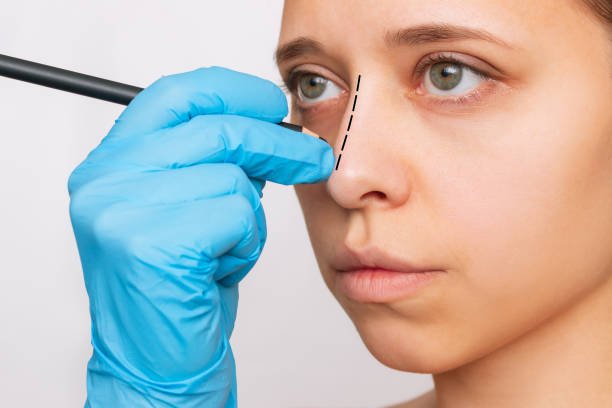

Nasal skin thickness is an important factor that influences the appearance, definition, and overall proportions of the nose. People with thicker nasal skin may notice that their nose looks broad, the tip appears rounded, or certain underlying structural details are less visible. These concerns can lead individuals to explore Rhinoplasty in Riyadh as an option for improving nasal contours while maintaining natural facial characteristics. However, thick-skinned noses require careful evaluation because the skin and soft tissues can influence how surgical refinements become visible after healing.
Unlike thinner nasal skin, which may reveal small changes in the underlying cartilage, thicker skin can soften the appearance of structural definition. During Rhinoplasty in Riyadh, a surgeon considers skin thickness alongside cartilage strength, nasal shape, and facial proportions when developing a treatment plan. The objective is to create balanced improvements that suit the patient’s anatomy rather than attempting to achieve an unrealistic or excessively narrow nasal appearance.
Understanding Thick Nasal Skin
Nasal skin covers the underlying bone and cartilage, contributing to the external shape and appearance of the nose. Its thickness, flexibility, and oil gland activity can vary between individuals and across different areas of the nose.
Characteristics of Thick-Skinned Noses
Thicker nasal skin is often associated with a fuller appearance, particularly around the tip and lower part of the nose. Some individuals may notice:
- A rounded or less defined nasal tip.
- A broader appearance around the nostrils.
- Less visible cartilage definition.
- A fuller nasal appearance in front-facing photographs.
- A tendency for swelling to remain noticeable for longer after surgery.
These features do not necessarily indicate a structural problem. A proper assessment helps determine which concerns relate to the skin and which are caused by the underlying nasal framework.
How Thick Skin Influences Rhinoplasty Planning
Skin thickness affects the way the nose responds to structural changes. Because the skin covers the cartilage and bone, the final external appearance depends on how these tissues interact during healing.
Reduced Visibility of Nasal Tip Definition
Thicker skin may conceal subtle changes made to the underlying cartilage. Even when the supporting structure is carefully reshaped, the external definition may remain softer than expected. This is why treatment planning should focus on improvements that are realistic for the patient’s skin characteristics.
Influence on Nasal Contours
The thickness and distribution of soft tissue can affect how clearly the bridge and tip appear. A surgeon evaluates these features to determine whether refinement of the underlying structure may create a more balanced contour.
Longer-Lasting Swelling
Thicker skin may be associated with prolonged swelling, particularly around the nasal tip. As a result, the nose may take longer to reveal its settled shape. Patients should understand that early postoperative appearance does not represent the final outcome.
Common Concerns Among Patients With Thick Nasal Skin
People with thicker nasal skin may have different aesthetic goals depending on their natural anatomy and facial proportions.
A Rounded or Bulbous Nasal Tip
A fuller tip may appear less defined because of the combination of skin thickness and cartilage shape. Surgical planning may focus on improving the underlying support and contour without removing excessive tissue.
A Broad Nasal Appearance
Some patients feel that their nose appears wide in relation to the rest of their face. The surgeon evaluates the nasal bridge, tip, and base to understand which structures contribute to this appearance.
Limited Tip Projection
The nasal tip may appear less prominent when thicker soft tissues cover the supporting cartilage. Improving projection may be considered in selected cases, but the approach depends on the strength of the existing framework.
Surgical Techniques for Thick-Skinned Noses
The appropriate technique depends on the patient’s anatomy, cartilage structure, and desired improvements. A personalized approach is important because the same surgical method may not produce identical results for different skin types.
Structural Cartilage Refinement
The surgeon may reshape or reposition cartilage to improve the support and definition of the nasal tip. In some cases, strengthening the framework may help create a more stable foundation beneath the thicker skin.
Improving Nasal Tip Support
A well-supported nasal tip can contribute to a more defined appearance. Selected techniques may involve adjusting or reinforcing the cartilage to maintain the desired projection and position.
Addressing Nasal Base Proportions
If the lower nose appears broad, the surgeon may evaluate whether changes around the nasal base are appropriate. Any narrowing must be planned carefully to preserve natural nostril shape and adequate breathing space.
Selective Soft Tissue Considerations
In certain cases, the surgeon may assess whether excess soft tissue contributes to the fuller appearance. However, removing too much tissue can create irregularities, scarring, or other complications. Conservative planning is therefore important.
Why Realistic Expectations Matter
Rhinoplasty can improve nasal proportions, but thick skin may limit how sharply the underlying cartilage changes become visible. Patients should understand that the result may have a naturally softer definition compared with a nose that has thinner skin.
The goal should be to create a nose that looks balanced and complements the face rather than pursuing an extremely narrow or sharply sculpted appearance. Discussing individual limitations before surgery helps patients understand what improvements may be achievable.
Recovery and Healing After Rhinoplasty
Swelling is a normal part of recovery and may be more noticeable or longer-lasting in patients with thick nasal skin. The nasal tip can remain swollen while the surrounding tissues gradually settle. Although early changes may become visible within the first few weeks, refinement can continue over several months or longer.
Patients should follow postoperative instructions, avoid pressure or accidental injury to the nose, and attend scheduled follow-up appointments. Healing varies between individuals, so progress should be assessed according to the surgeon’s guidance rather than comparing results with others.
Preparing for a Rhinoplasty Consultation
A consultation helps determine how skin thickness and nasal structure may influence the surgical approach. Patients should consider discussing:
- Which nasal features they want to improve.
- Whether the tip, bridge, or nasal base is their main concern.
- How skin thickness may influence the expected result.
- Whether additional cartilage support may be necessary.
- Potential risks, recovery expectations, and limitations.
- How long the nose may take to settle after surgery.
Book Your Consultation at Royal Clinic Saudi
If thick nasal skin affects the definition or proportions of your nose, a professional assessment can help identify suitable options. At Royal Clinic Saudi, you can discuss your aesthetic concerns, understand how skin thickness influences surgical planning, and explore an approach based on your natural nasal structure. A personalized consultation can help you establish realistic goals before considering Rhinoplasty in Riyadh.
Frequently Asked Questions
Can rhinoplasty improve a bulbous nose with thick skin?
It may improve the underlying nasal structure and proportions, although skin thickness can limit the amount of visible tip definition.
Does thick nasal skin affect rhinoplasty results?
Yes. It can influence how clearly structural changes appear and may contribute to longer-lasting swelling.
Does a thick-skinned nose take longer to heal?
Swelling, particularly around the tip, may take longer to settle, although recovery varies between individuals.
Can thick nasal skin become thinner after rhinoplasty?
Rhinoplasty generally focuses on reshaping the underlying nasal framework rather than significantly changing skin thickness.