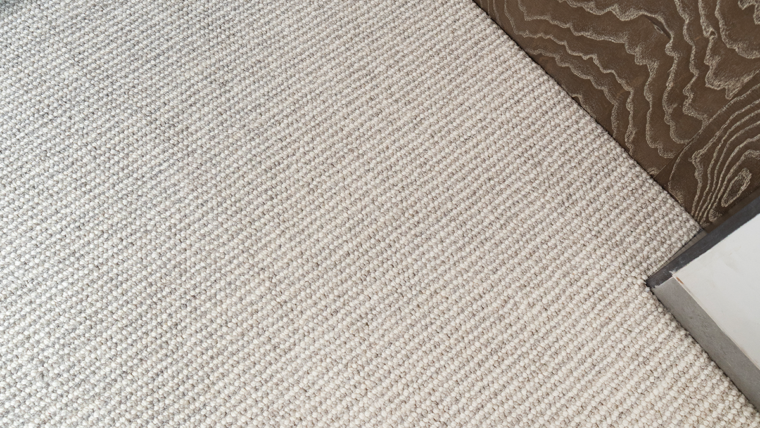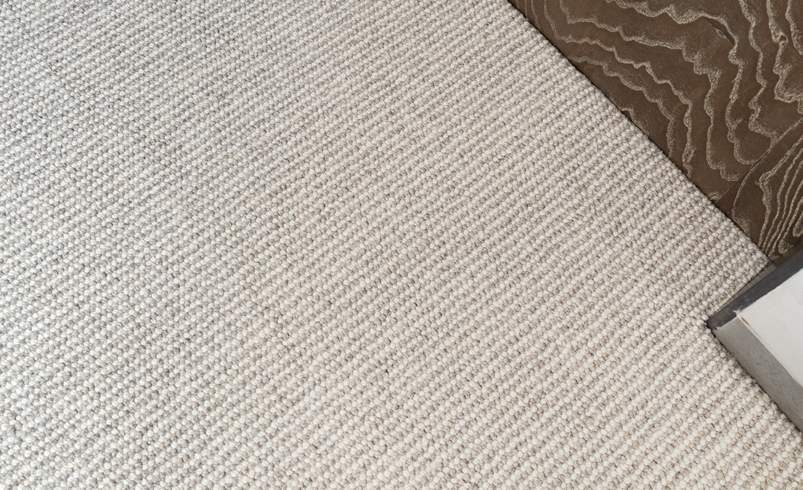

The living room is one of the most important spaces in any home. It is where families spend time together, welcome guests and relax after a busy day. Every element of its interior design contributes to the overall atmosphere, from furniture and lighting to wall colours and decorative accessories. Among these elements, a well-chosen carpet can make a noticeable difference.
A carpet adds warmth, texture and visual balance while helping connect different furniture pieces. However, choosing the right one requires more than simply picking an attractive pattern. Size, material, colour, texture and placement all play an important role in finding a carpet that suits your living room.
1. Choose the Right Carpet Size
Size is one of the first things to consider when selecting a living room carpet. A carpet that is too small can make the furniture arrangement look disconnected, while an oversized option may overwhelm the available space.
Before purchasing, measure your living room and consider how your furniture is arranged.
Here are some common placement ideas:
- Large living rooms: Choose a larger carpet that can accommodate the main seating arrangement.
- Medium-sized rooms: Place the front legs of sofas and chairs on the carpet to create a connected appearance.
- Small living rooms: Consider a compact design that complements the seating area without covering too much floor space.
The goal is to create a balanced arrangement where the carpet works naturally with the surrounding furniture.
2. Select a Material That Suits Your Lifestyle
Carpet material affects comfort, appearance, maintenance and durability. Different fibres offer different characteristics, so consider how frequently your living room is used.
Some popular material choices include:
- Wool: A popular natural fibre known for its softness, warmth and resilience. It can be a suitable choice for frequently used living spaces.
- Cotton: Lightweight and versatile, cotton can offer a relaxed appearance and is often used in woven carpet designs.
- Silk: Known for its smooth texture and natural sheen, silk can add a refined decorative touch.
- Jute: A natural plant fibre that provides an earthy appearance and distinctive texture.
Think about household activities, foot traffic and cleaning requirements before making your final selection.
3. Pick Colours That Complement Your Interior
The colour of your carpet should work well with your existing interior design. It can either blend with the surroundings or introduce contrast to create a focal point.
For neutral interiors featuring white, beige or grey walls, a carpet with deeper shades can add visual interest. If your living room already contains colourful furniture and decorative accessories, softer tones may create a more balanced appearance.
Consider these combinations:
- Beige and cream for a calm, understated atmosphere.
- Blue and grey for a contemporary appearance.
- Earthy brown and green for a natural interior theme.
- Deep red and traditional patterns for a classic look.
Choosing colours that complement your existing furniture can help create a more coordinated living space.
4. Consider the Pattern and Design
The pattern of a carpet can influence the entire character of your living room. Traditional designs, geometric patterns, floral motifs and contemporary abstract styles each create a different visual effect.
For a classic interior, traditional motifs can complement wooden furniture and decorative accessories. Modern homes may benefit from minimal patterns, subtle textures or geometric designs.
When comparing different Handwoven Carpets, consider how their patterns interact with your sofas, curtains, flooring and other decorative elements.
A carefully selected design can bring the entire room together without making the space feel overcrowded.
5. Understand the Benefits of Handwoven Craftsmanship
The construction of a carpet is just as important as its appearance. Handwoven carpets are created through traditional weaving techniques that involve skilled artisans and detailed craftsmanship.
Depending on the weaving method, each carpet may feature distinctive textures, patterns and construction details. This makes them appealing to homeowners who appreciate handcrafted products and individual design characteristics.
Some bespoke options also allow buyers to explore different dimensions, colours and patterns based on their interior requirements.
6. Think About Your Living Room Layout
Carpet placement can change how a living room looks and feels. Before selecting a design, consider the position of your sofa, coffee table, chairs and other furniture.
For example, placing a carpet underneath the coffee table and the front legs of the sofa can create a connected seating area. In a larger room, a generously sized carpet can help establish a central gathering space.
Also, ensure that doorways remain accessible and that the carpet does not create unnecessary obstacles.
7. Balance Comfort with Durability
Living rooms usually experience regular foot traffic, making durability an important consideration.
A carpet should provide a comfortable surface while being suitable for everyday use. Consider the quality of the fibres, weaving technique and overall construction before making a purchase.
If your living room is used frequently, choose materials that can handle regular activity and follow the recommended cleaning instructions.
A well-maintained carpet can retain its appearance and remain a valuable part of your interior for years.
8. Explore Bespoke Carpet Options
Sometimes, standard carpet designs may not match the exact requirements of your living room. You may need a particular size, colour combination or pattern to complement your furniture and overall interior theme.
Bespoke carpet options provide greater flexibility when creating a personalised look. They allow homeowners to explore designs that suit their available space and individual preferences.
Before choosing a custom design, consider your room measurements, preferred materials, colour palette and intended placement.
9. Set a Budget Before Making Your Decision
Carpet prices can vary depending on size, material, weaving technique, design complexity and craftsmanship.
Handwoven carpets may require a higher investment because of the time and skill involved in their production. However, the final price depends on the specific construction and materials.
Establishing a budget beforehand can help narrow down suitable options without compromising on the features that matter most to you.
Conclusion
Choosing the perfect carpet for your living room involves finding the right balance between design, comfort, quality and practicality. From selecting suitable materials and colours to considering carpet size and furniture placement, every detail contributes to the final appearance of your space.
A thoughtfully selected handwoven carpet can introduce warmth, texture and artistic character into your home. By understanding your interior requirements and exploring different designs, you can find an option that complements your living room and creates a welcoming environment.