
Maintaining an attractive garden in a region with hot summers and changing rainfall patterns requires thoughtful landscaping decisions. Homeowners often want colorful plants, healthy garden beds, and inviting outdoor spaces without dealing with excessive watering and demanding maintenance routines. A carefully planned landscape can make this possible by combining suitable vegetation, practical ground coverings, and efficient irrigation methods. Transformed Landscaping Co. helps homeowners create outdoor environments that balance natural beauty with the practical needs of residential properties.
Choosing Xeriscape in Austin Texas is an effective way to approach landscaping with water conservation in mind. Xeriscaping focuses on selecting climate-appropriate plants, improving soil conditions, organizing garden areas, and using water efficiently. It does not mean removing all greenery or covering an entire yard with rocks. Instead, it creates attractive outdoor spaces that use available water responsibly while maintaining visual interest and functionality. With the right design, homeowners can enjoy beautiful gardens that are better suited to Central Texas conditions.
Understanding the Principles of Xeriscaping
Xeriscaping is a landscaping approach designed to reduce unnecessary water consumption while supporting healthy plant growth. It involves several connected practices, including selecting appropriate plants, grouping vegetation according to watering needs, preparing soil properly, and using efficient irrigation systems. These methods help homeowners develop gardens that are more adaptable to local weather conditions. The objective is to create an attractive outdoor environment without relying on excessive watering to maintain its appearance.
A successful xeriscape design begins with understanding the property’s existing characteristics. Sunlight exposure, soil composition, slopes, drainage, and available planting areas all influence the final layout. Some sections may receive direct sunlight throughout the day, while others remain shaded by trees or buildings. Organizing plants according to these conditions can improve their growing environment and make garden maintenance more manageable. This planning stage also helps ensure that decorative features and planting areas work together naturally.
Choosing Native Plants for a Healthier Landscape
Native plants are an important part of water-conscious residential landscaping because many species are naturally adapted to regional weather and soil conditions. In the Austin area, homeowners can explore suitable native grasses, flowering plants, shrubs, and trees that contribute to a natural garden appearance. These plants can provide seasonal color, attractive textures, and valuable habitat for local wildlife when selected and maintained appropriately.
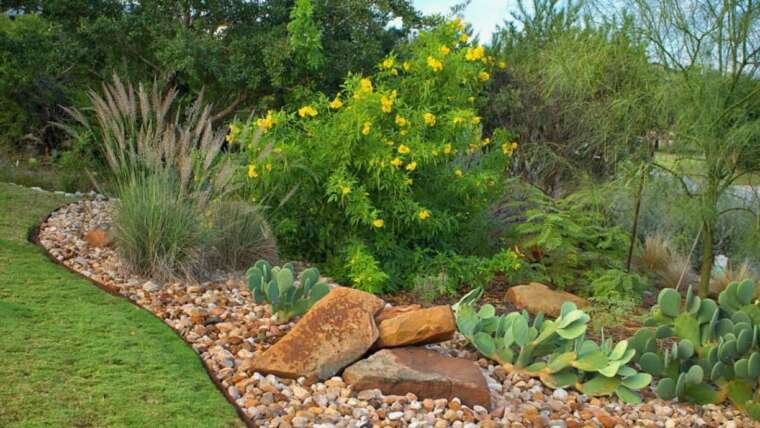
A varied planting arrangement can make a xeriscape garden feel lively rather than sparse. Flowering plants can introduce color, ornamental grasses can add movement, and shrubs can provide structure around pathways and seating areas. Homeowners should consider mature plant sizes, sunlight requirements, and soil preferences before installation. Combining different plant varieties in carefully organized groups creates a landscape that looks intentional while supporting healthier growth.
Designing Garden Beds That Reduce Water Requirements
The arrangement of garden beds can influence how efficiently a landscape uses water. Instead of scattering plants randomly throughout the yard, homeowners can group vegetation with similar watering requirements. This approach makes irrigation easier to manage because plants with comparable moisture needs can receive appropriate care together. It also helps prevent areas from being watered unnecessarily just because nearby plants require more moisture.
Garden bed design should consider both appearance and practicality. Curved planting borders, raised beds, decorative stone edges, and carefully positioned shrubs can give outdoor spaces a distinctive character. Mulch can be added around suitable plants to help retain soil moisture and reduce weed growth. These details contribute to a more organized garden while supporting the broader goals of Xeriscape in Austin Texas for residential properties.
Using Mulch and Ground Cover to Protect Soil
Ground coverings are useful components of water-efficient landscaping because they help protect exposed soil. Organic mulch, such as shredded bark or wood chips, can reduce moisture loss, moderate soil temperature, and limit weed development around planting areas. These benefits are particularly valuable during warmer periods when direct sunlight can cause surface soil to dry quickly. Applying mulch correctly around plants can also give garden beds a cleaner and more finished appearance.
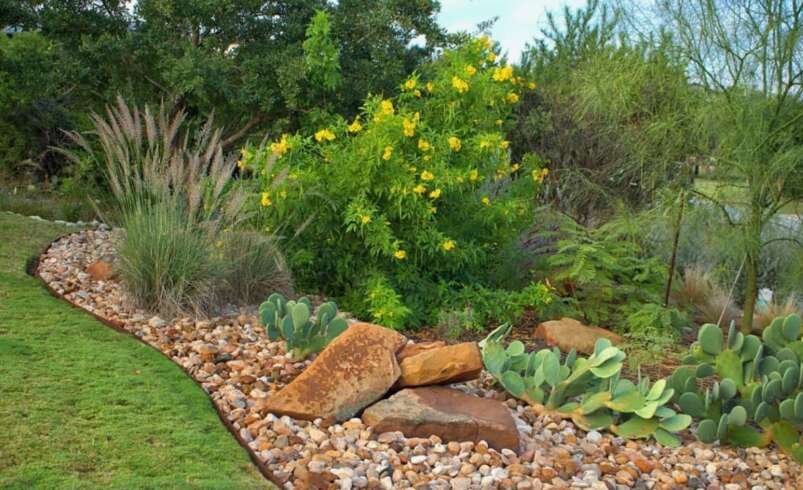
Decorative gravel and natural stone offer another option for selected landscape areas. They can create attractive borders, define pathways, and provide visual contrast against green vegetation. However, ground-covering materials should be chosen according to the location and the needs of nearby plants. A balanced design might use organic mulch around shrubs and flowering plants while incorporating decorative stone in areas where it supports the intended layout. This combination can create visual variety without unnecessary complexity.
Installing Efficient Irrigation Systems
An efficient irrigation system helps deliver water where plants need it rather than distributing it across the entire property without distinction. Traditional watering methods can sometimes result in unnecessary water loss through evaporation, runoff, or overspray. Drip irrigation provides an alternative by delivering water closer to plant roots through controlled emitters and tubing. When properly designed, it can support more targeted watering in garden beds and selected planting areas.
Irrigation planning should account for plant requirements, soil conditions, garden layout, and seasonal weather. Different sections of a landscape may need different watering schedules, so dividing the system into appropriate zones can improve control. Regularly checking emitters, hoses, and connections also helps identify leaks or blockages. When combined with suitable plant selection and soil preparation, efficient irrigation can make a water-conscious garden easier to manage.
Adding Decorative Hardscaping to Xeriscape Gardens
A water-efficient landscape does not need to depend entirely on plants to look attractive. Hardscaping features such as stone walkways, paved patios, gravel paths, and decorative retaining walls can introduce structure and provide practical outdoor surfaces. These features help define different areas of a yard while reducing the need for additional planted sections. They can also create useful connections between entrances, garden beds, and outdoor seating spaces.
The materials should complement the property’s architecture and existing landscape features. Natural stone can create an organic appearance, while concrete pavers may provide a more contemporary finish. Proper installation is essential, particularly when considering surface stability and drainage. Combining hardscaping with native plants, ornamental grasses, and thoughtfully placed shrubs creates an appealing outdoor environment where constructed and natural elements remain balanced.
Creating Comfortable Outdoor Living Spaces
Homeowners can incorporate outdoor living areas into xeriscape designs without compromising their water-conscious goals. A patio surrounded by suitable native vegetation can provide an inviting place for outdoor dining, relaxation, or family gatherings. Pergolas and other shade structures may improve comfort during warmer weather, while carefully positioned trees can contribute natural shade as they mature. These additions make the landscape more useful beyond its decorative purpose.
The placement of outdoor features should follow the property’s layout and the homeowner’s everyday needs. A seating area near the house may provide convenient access, while a quieter garden corner can create a more private retreat. Using durable paving materials, attractive containers, and low-water planting arrangements helps maintain a consistent design. Transformed Landscaping Co. can help homeowners explore landscaping ideas that combine comfortable outdoor living with responsible water management.
Maintaining a Xeriscape Landscape Throughout the Year
Although xeriscaping can reduce some watering and maintenance requirements, it does not eliminate the need for regular care. Newly installed plants need appropriate watering while their root systems become established. After establishment, watering needs may change depending on plant varieties, rainfall, soil conditions, and seasonal temperatures. Monitoring plant health and adjusting irrigation accordingly can help maintain a healthy landscape without applying unnecessary water.
Routine care may also include pruning, removing weeds, refreshing mulch, and checking drainage around planting areas. Some native plants benefit from seasonal trimming, while others require very little intervention once established. Homeowners should avoid assuming that every drought-tolerant plant has identical care requirements. A maintenance approach based on the actual needs of the garden helps preserve its appearance and supports long-term landscape performance.
Why Professional Xeriscape Planning Makes a Difference?
Developing a successful xeriscape garden involves more than replacing traditional plants with drought-tolerant varieties. Soil preparation, plant placement, irrigation design, ground coverings, and hardscaping must all be considered together. Poor planning can create drainage problems, overcrowded planting beds, or areas that receive more water than necessary. Professional guidance helps homeowners understand their property’s conditions and select improvements that work together as part of a complete landscape design.
Transformed Landscaping Co. focuses on creating residential outdoor spaces that combine practical features with attractive landscaping. A professionally planned Xeriscape in Austin Texas project can help homeowners make better use of their available outdoor space while considering local climate conditions and water requirements. From native planting arrangements to decorative hardscaping and irrigation solutions, each element can contribute to a cohesive and manageable garden.
Conclusion
Water-efficient landscaping offers homeowners an opportunity to enjoy attractive outdoor environments while making more thoughtful use of water. Native plants, organized garden beds, protective ground coverings, efficient irrigation, and carefully selected hardscaping can all contribute to a balanced xeriscape design. Understanding Austin’s climate and the specific conditions of a property helps homeowners choose features that support healthy growth and practical long-term care.
Transformed Landscaping Co. helps homeowners develop outdoor spaces that reflect their preferences while considering the natural environment. Investing in Xeriscape in Austin Texas can create a garden that combines visual appeal, functionality, and responsible water management. With careful planning and suitable landscaping features, homeowners can enjoy a welcoming outdoor environment that remains beautiful and practical through the changing seasons.