
Access to clean and safe water is essential for every household and business. In Long Beach, MS, many properties depend on private water wells for their daily water supply. While well water can provide a reliable source of water, its quality depends on several factors, including underground minerals, sediment, surrounding soil conditions, and potential contamination. Installing a suitable water well filtration system helps address these concerns and provides cleaner water for everyday use.
Water well filtration systems in Long Beach, MS are designed to remove unwanted particles, reduce certain contaminants, and improve the overall quality of groundwater. Whether water is used for drinking, cooking, bathing, laundry, or other household activities, proper filtration can make a noticeable difference. Understanding how these systems work and when they are needed helps property owners make informed decisions about their water supply.
Why Water Well Filtration Systems Are Important in Long Beach, MS
Private wells draw groundwater from underground aquifers, which can contain naturally occurring minerals, sediment, and other substances. Although groundwater is often naturally filtered through layers of soil and rock, this process does not guarantee that the water is free from contaminants.
Properties in coastal Mississippi may experience changing groundwater conditions because of local geology, heavy rainfall, flooding, and nearby land use. Saltwater intrusion can also be a concern in coastal areas, depending on the location and condition of the aquifer.
A properly selected filtration system can address specific water quality problems and improve the usability of well water.
Some common reasons homeowners consider installing filtration systems include:
- Sediment Removal: Filters help capture sand, dirt, rust particles, and other suspended materials.
- Mineral Reduction: Certain treatment systems help address excessive iron, manganese, and hardness minerals.
- Improved Taste and Odor: Appropriate filtration can reduce unpleasant tastes and odors caused by particular substances.
- Water Quality Protection: Specialized treatment systems can target specific contaminants identified through water testing.
- Better Household Water Use: Cleaner water can help reduce sediment buildup in plumbing fixtures and certain appliances.
The right system depends on the actual water quality rather than choosing equipment based on appearance or general recommendations.
Common Water Quality Problems Found in Private Wells
Understanding common groundwater problems makes it easier to identify which filtration solution may be appropriate. Not every well has the same water quality concerns, so professional testing is an important first step.
Sediment and Sand in Well Water
Sand, silt, and other suspended particles can enter a well through surrounding soil or damaged well components. These materials may cause cloudy water, visible particles, and sediment buildup in plumbing systems.
A sediment filtration system is commonly used to capture larger particles before water reaches household fixtures and other treatment equipment.
Iron and Manganese
Excessive iron and manganese can cause reddish-brown or black staining on sinks, toilets, laundry, and plumbing fixtures. These minerals may also affect water taste and appearance.
Specialized iron and manganese filtration systems can help reduce these substances. The appropriate equipment depends on their concentrations, water chemistry, and other treatment requirements.
Hard Water Minerals
Hard water contains elevated levels of calcium and magnesium. Although these minerals are naturally present in groundwater, excessive hardness can create scale buildup inside pipes, water heaters, and household appliances.
Water softeners use an ion-exchange process to reduce hardness minerals and help prevent scale-related problems.
Unpleasant Taste and Odor
Some private wells develop unusual tastes or odors because of naturally occurring substances, bacterial activity, or other water quality issues. Activated carbon filtration can reduce certain taste- and odor-causing compounds.
However, filtration should be selected according to water test results because different contaminants require different treatment methods.
Types of Water Well Filtration Systems for Residential Properties
Choosing the right filtration equipment is essential for achieving effective water treatment. Several types of systems are available, each designed to address particular water quality concerns.
Sediment Filtration Systems
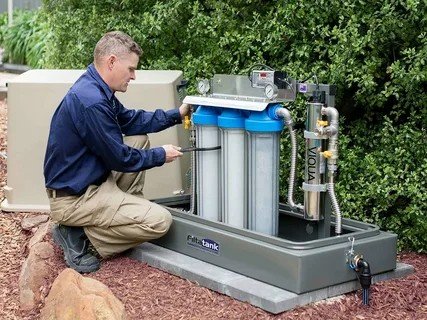
Sediment filters remove suspended particles such as sand, dirt, and rust. They are often installed as a first stage in a larger water treatment setup to protect downstream equipment.
These filters come in different micron ratings, allowing property owners to select an option based on the size and amount of particles present in the water.
Activated Carbon Filters
Activated carbon systems help reduce chlorine, certain organic compounds, and some substances responsible for unpleasant tastes and odors. They are commonly used in drinking water treatment applications.
Their effectiveness depends on the specific contaminant, carbon type, water flow, and contact time.
Reverse Osmosis Systems
Reverse osmosis uses a specialized membrane to reduce many dissolved substances in drinking water. These systems are often installed beneath kitchen sinks to provide treated water at a dedicated faucet.
Although reverse osmosis can address several water quality concerns, it is not a universal solution for every well water problem. Proper pretreatment may also be necessary.
Water Softening Systems
Water softeners are designed to reduce hardness caused by calcium and magnesium. They help minimize mineral scale inside plumbing systems and improve the performance of certain household appliances.
Iron and Sulfur Treatment Systems
Specialized treatment equipment can address elevated iron, manganese, and hydrogen sulfide. Depending on the water chemistry, treatment may involve oxidation, filtration, or other processes.
A professional water analysis helps determine which combination of equipment is suitable for a particular well.
The Importance of Professional Well Water Testing
Before installing a filtration system, homeowners should understand exactly what is present in their water. Guessing the problem based on color, taste, or smell can result in choosing equipment that does not address the actual concern.
A certified laboratory can test private well water for important indicators and contaminants, including:
- Total coliform bacteria and E. coli
- Nitrates and nitrites
- Iron and manganese
- pH and water hardness
- Total dissolved solids
- Chloride and other relevant substances
In coastal communities such as Long Beach, chloride testing may be particularly useful when saltwater intrusion is a concern.
Testing should also be performed after flooding, repairs to well components, or noticeable changes in water quality. Regular testing helps property owners monitor their water supply and determine whether additional treatment is necessary.
When Your Filtration System Needs Maintenance or Repair
Installing a water filtration system is only one part of maintaining a dependable water supply. Filters, membranes, pumps, pressure tanks, and other components require periodic inspection and maintenance.
Ignoring maintenance can reduce filtration performance and affect water pressure throughout the property.
Common warning signs include:
- Reduced water flow from household faucets.
- Unusual changes in water taste, color, or smell.
- Visible sediment appearing after filtration.
- Frequent filter clogging.
- Unusual noises coming from pumps or treatment equipment.
- Water pressure that fluctuates unexpectedly.
Some problems may only require replacing a filter cartridge, while others may indicate a more serious issue with the well or its equipment.
When filtration problems are connected to damaged well components, homeowners may need professional Water Well Repair Services in Long Beach, MS. Experienced technicians can inspect the system, identify the source of the problem, and recommend suitable repairs to restore reliable operation.
Benefits of Hiring Professional Water Well Service Specialists
Water well filtration equipment involves several components that must work together properly. Incorrect installation, unsuitable filter selection, or neglected maintenance can affect system performance.
Professional well service specialists understand different filtration technologies, pumping equipment, pressure systems, and common groundwater concerns. Their experience helps property owners select practical solutions based on their specific water conditions.
When choosing a water well service provider in Long Beach, consider the following:
- Experience with residential and commercial water well systems.
- Knowledge of different filtration and treatment technologies.
- Ability to identify water quality and equipment problems.
- Clear explanations of recommended services and maintenance.
- Proper equipment and safe installation practices.
- Familiarity with local groundwater conditions.
Working with a qualified professional helps ensure that filtration equipment is appropriate for the property and receives the maintenance needed for dependable operation.
Maintaining Clean and Reliable Well Water Throughout the Year
Consistent maintenance plays an important role in protecting private water wells. Property owners should schedule routine inspections, replace filters according to manufacturer recommendations, and monitor changes in water pressure and quality.
Keeping the area around the well clean is equally important. Chemicals, fertilizers, fuel, animal waste, and other potential contaminants should be stored away from the wellhead. Proper drainage should also be maintained to prevent surface water from collecting around the well.
Homeowners should keep records of water testing, filter replacements, equipment repairs, and system inspections. These records make it easier to identify recurring problems and plan future maintenance.
If water suddenly becomes cloudy, develops an unusual odor, or shows other concerning changes, homeowners should arrange water testing rather than assuming that a filtration system will solve the issue. If contamination is suspected, follow appropriate public health guidance about using the water for drinking and cooking until it has been evaluated.
Conclusion
Clean water is essential for comfortable living, and maintaining a private well requires attention to both water quality and equipment performance. Water well filtration systems in Long Beach, MS, help address common concerns such as sediment, excessive minerals, unpleasant odors, and certain contaminants. From sediment filters and activated carbon units to reverse osmosis and water softening equipment, each treatment option serves a different purpose.
The best approach begins with professional water testing, followed by selecting suitable filtration equipment and maintaining it regularly. When problems involve damaged pumps, pressure systems, or other well components, professional Water Well Repair Services in Long Beach, MS, can help restore reliable water delivery. With proper testing, maintenance, and professional support, property owners can protect their water supply and enjoy dependable well water throughout the year.